
Dear Friend,
I hope you are keeping well and caring for yourself adequately.
This week, I met one of our blog readers at my kids’ summer camp. It is always a lovely experience to connect with someone who knows me solely through the blog, and it serves as a beautiful reminder of the community we are building together.
Today, I want to explore a topic very close to my heart: The Future of Humanity and How We Support Our Children. We live in a time where we are hyper-informed about every possibility, and our children are frequently swept up in this flood of information.
It often leads us to expect children to function like adults, even when we ourselves struggle to navigate adulthood effectively from day to day. Children carry an innocence and purity that we can easily shatter with our own rigid ideas of who they should be.
I urge us to gently examine our hearts when we speak to, plan for, and consider our children. We must pause and truly see the child.
Beyond the Mould: Raising Secure, Compassionate Children
It is an easy trap to try to smooth out the edges of a child’s unique personality just to help them fit in. Society frequently hands us a rigid blueprint of how a child should act, learn, and express themselves. However, forcing a child into a predefined shape risks dimming the very spark that makes them who they are.
Our ultimate responsibility as parents, educators, and guardians is not to raise conformists who blend seamlessly into the crowd, but to cultivate secure, capable, and compassionate human beings who understand their intrinsic worth and know they have a safe harbour to return to.

Creating a Safe Haven: The Gift of Secure Attachment
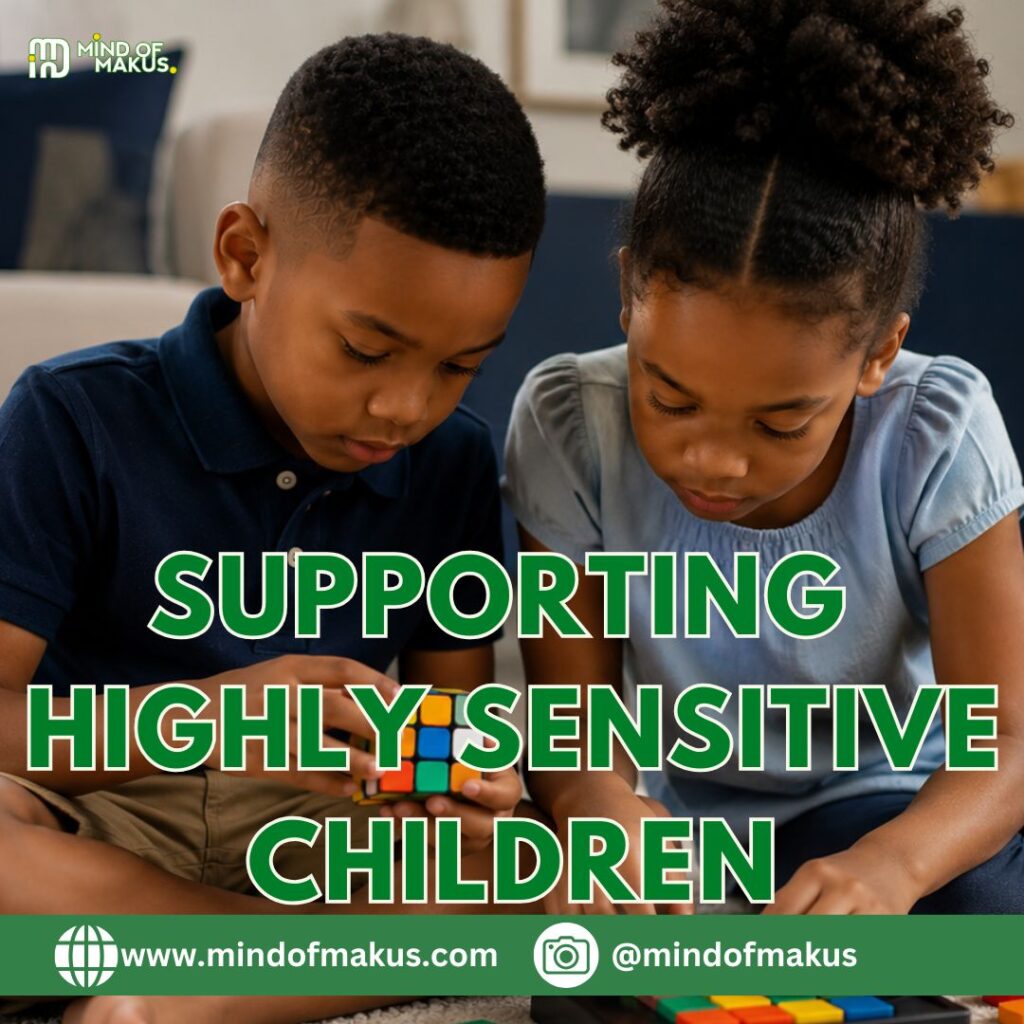
Raising a sensitive or neurodivergent child requires extra measures of grace. They see the world differently, react differently, and change how their loved ones experience life.
To thrive, children do not need a map with every single step laid out—they need a sturdy anchor. When children know they are loved unconditionally, they gain the courage to explore, fail, and try again.
Consider a child learning to walk: if they stagger and fall, and their parents scream, grab them, and strap them to a chair, they will soon stop trying because they associate effort with restriction.
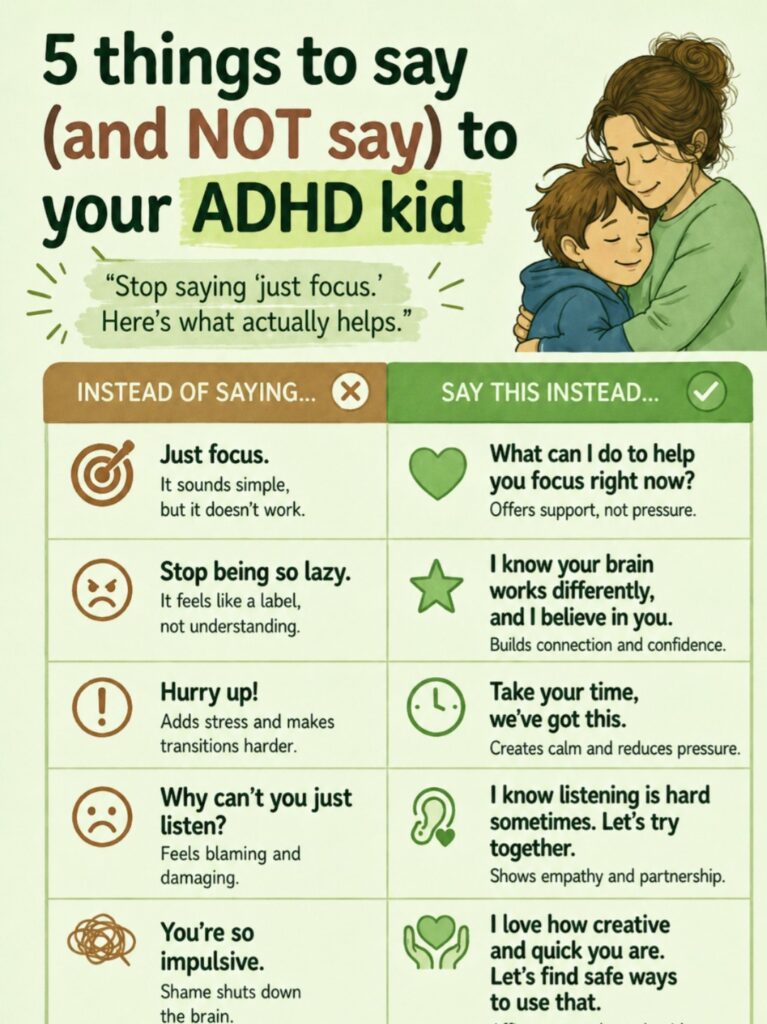
This is what we inadvertently do to the children we love when we are harsh in our criticism and rigid in our expectations.

As Ephesians 6:4 reminds us, “Do not exasperate your children; instead, bring them up in the training and instruction of the Lord.” This does not mean we should abandon goals or expectations; rather, we must hold the child in mind in a loving, safe way.
Gentle, attuned guidance builds trust rather than resentment. Decades of research on Attachment Theory demonstrate that children who develop a secure attachment with their primary caregivers show higher emotional resilience, better social skills, and greater self-esteem later in life.
Subscribe to My Newsletter
Security is built through responsive, emotionally attuned care, not by controlling behaviour. No matter how sharp your tone or how loud your voice, your child completely depends on the part of you that is safe.
Take a moment to think back to a time when you made a mistake as a child. Did you feel safe coming forward, or did you hide it? How can you use that memory to create a safer environment for a child in your life today?
Embracing Unique Design: Letting Go of the Mould
Every child arrives with their own temperament, strengths, and pace of growth. When we stop comparing them to a standard template, we give them room to breathe and blossom.
We honour the Creator when we allow these differences to exist as they were intended. It is vital for us as parents to carefully discern who we have been given to raise, so we do not break a beautiful egg hoping it will turn into a tennis ball and bounce back up.
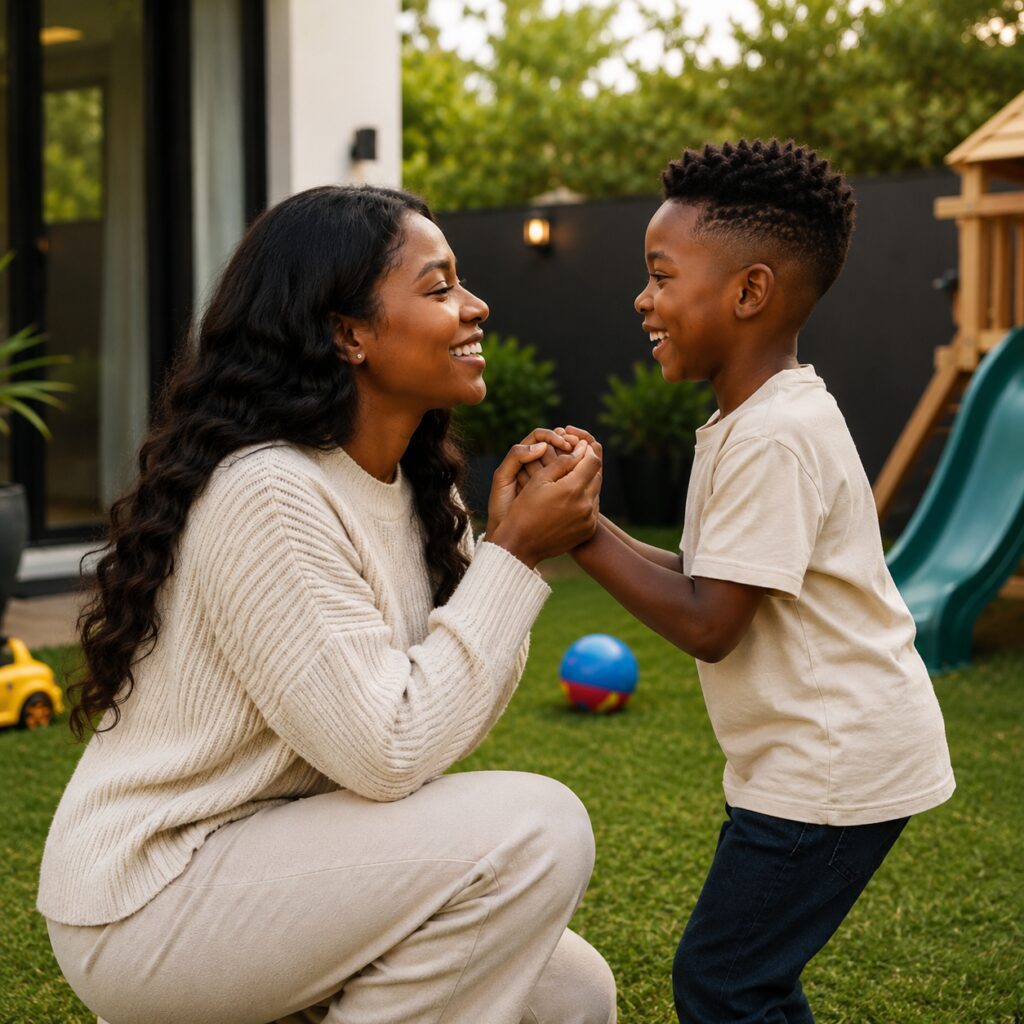
As Psalm 139:14 states, “I praise you because I am fearfully and wonderfully made; your works are wonderful, I know that full well.” God designed each child with intention, not on an assembly line.
Studies in neurodiversity and developmental psychology emphasize the concept of “goodness of fit,” showing that children thrive best when their environment is tailored to match their individual temperament rather than an inflexible mould.
If you have a child anywhere on the neurodivergent spectrum, take a deep breath. Calm down, look carefully at them, observe, and take notes. There are so many layers to uncover.
This parenting adventure may look different for you, but it is entirely honourable and worthy.
Consider the unique traits of the child you care for. How can you reframe a specific quirk from a challenge into a unique strength?
The Four Core Truths Every Child Needs to Hear
At the heart of healthy emotional development are four quiet assurances every child deserves to internalize as they grow:
- “I am understood.” (Empathy over judgment)
- “I am valued.” (Worth based on identity, not performance)
- “I can ask for help.” (Vulnerability as a strength)
- “I am allowed to be myself while I learn and grow.” (Grace for the process)
According to Self-Determination Theory, human flourishing relies on three basic psychological needs: autonomy, competence, and relatedness.
You can Support My Work
When children feel understood and valued for exactly who they are, their intrinsic motivation to learn and care for others naturally increases, leading them toward confidence, independence, and strength.
Final Thoughts
Stewarding a child through life is not something you can hack. They will evolve, and you will too, revealing different parts of yourselves over time. Let us remain patient with this process.
The next time you feel the urge to push a child toward an artificial standard, take a deep breath and ask yourself: Am I trying to make them easier to manage, or am I helping them become who they were created to be?
Until next time — stay warm, stay growing, stay loving, stay whole.
With love and light,
Amaka.