
Hello, dear friend,
Anger is one emotion that we all hide so much underneath. We do that not because we want to, but because it is often the only socially acceptable emotion we can express. Imagine telling someone at the bus stop that you feel disappointed that they cut in front of you.
Maybe they would laugh it off cruelly, but if you got angry, they would take you seriously. So we often shortcut our way straight into anger.
When anger flares up, it often feels like a sudden storm—our chests tighten, our voices rise, and we react before we fully understand why. Society often teaches us that anger is something to suppress, ignore, or feel guilty about. But what if anger isn’t just an outburst to fix, but a signal to understand?
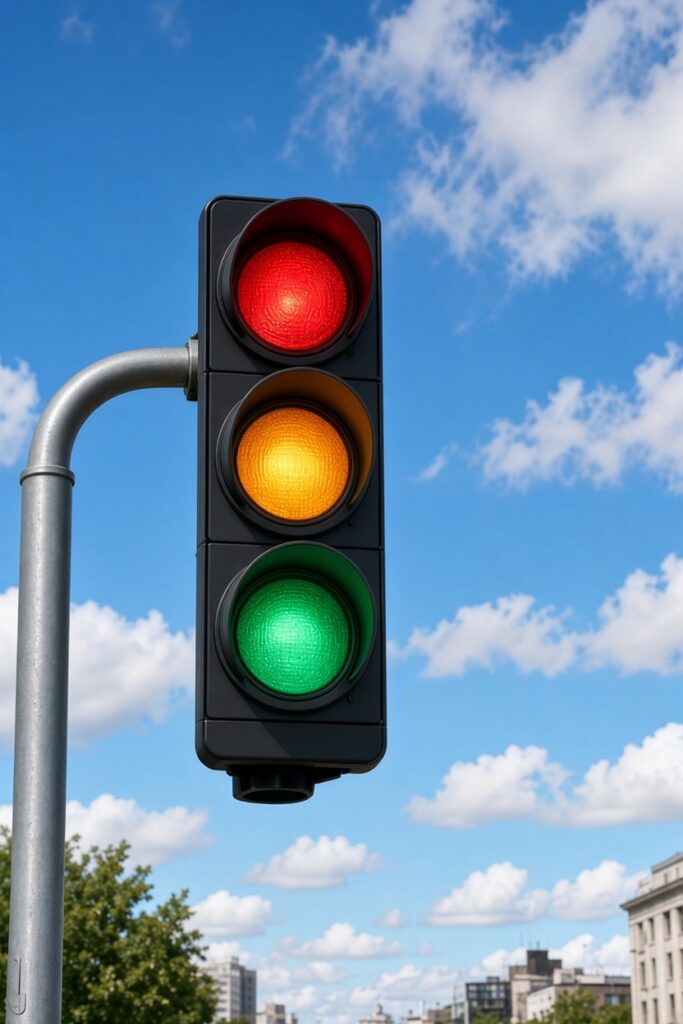
Anger rarely exists in isolation. More often, it acts as a protective shield, guarding deeper, more vulnerable emotions and unmet needs beneath the surface.
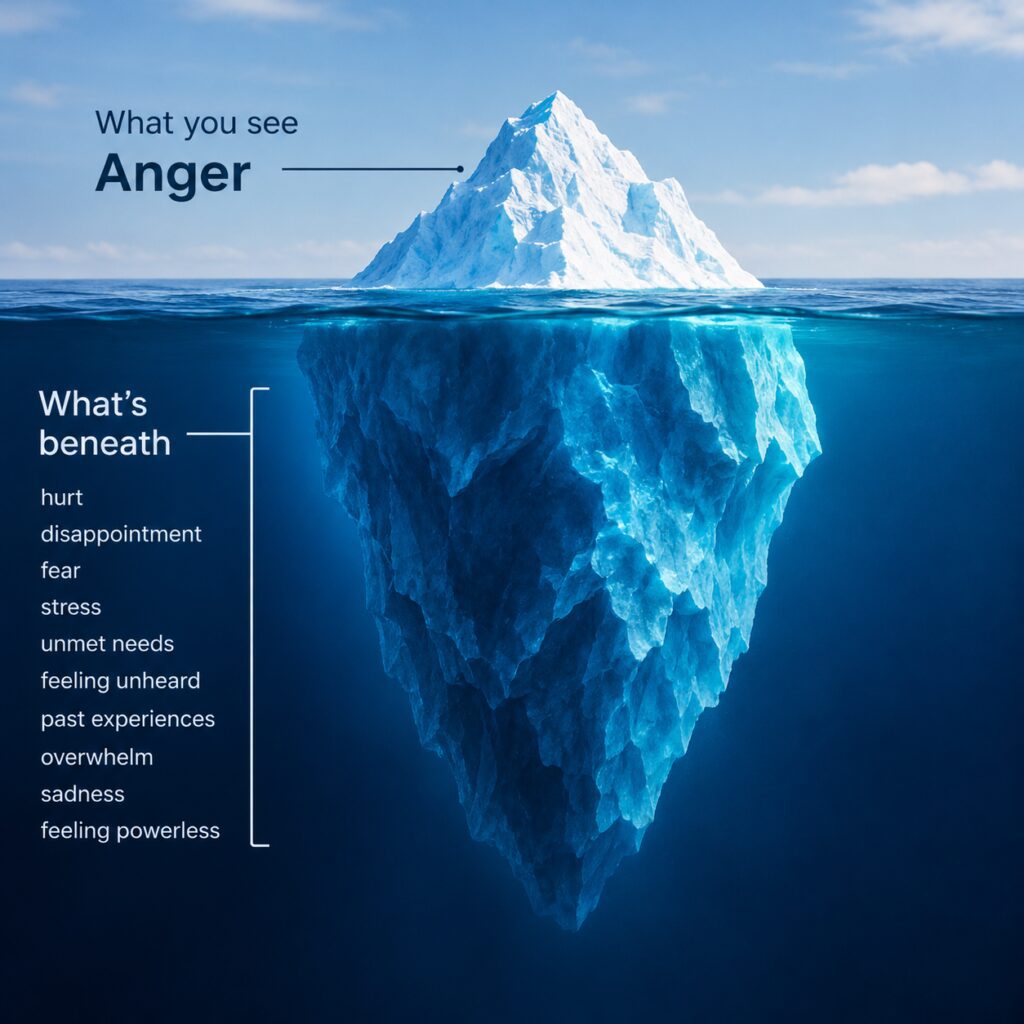
What Is Your Anger Trying to Protect?
- Unacknowledged Hurt: Admitting that someone’s words or actions hurt us can make us feel vulnerable or weak. Anger feels like a safer, stronger position to take. When a friend repeatedly cancels plans, snapped frustration on the surface often masks a deeper disappointment: the feeling that your time and connection don’t matter.
- Crossed Boundaries: If you regularly agree to favours when you are already exhausted, that growing irritation isn’t just about the request—it’s resentment building over a limit you didn’t set. When you always say yes, others assume you are genuinely available. Your anger is often a reminder that you need to protect your own well-being.
Subscribe to My Newsletter
- Fear of Rejection: Being left out or overlooked hurts. Dismissing the person or getting angry at them can be an automatic defence mechanism to convince yourself that you don’t care, shielding you from the sting of feeling unwanted.
- Feelings of Powerlessness: Unfair situations, financial pressure, or difficult relationships can leave us feeling stuck. Anger provides a surge of energy that makes us feel in control, even when circumstances are outside our influence.
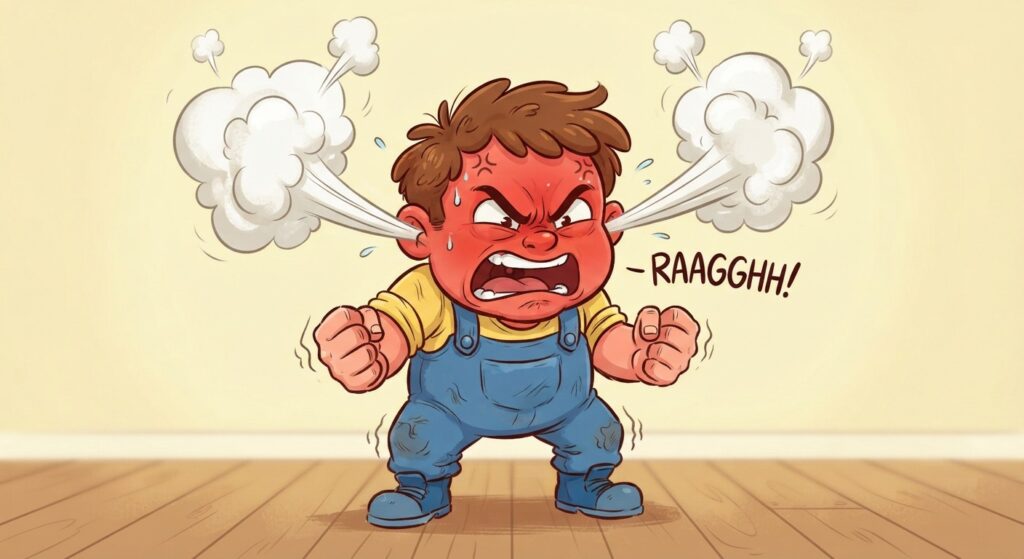
- A Threat to Your Self-Worth: When someone dismisses your contribution or speaks disrespectfully, anger rises to defend your dignity. Sometimes this reaction points directly to current disrespect; other times, it touches an older, unhealed wound from a time when you felt ignored.
- Accumulated Exhaustion: Snapping over a minor issue is rarely about that single moment. It is usually the result of non-stop stress, lack of sleep, or constantly putting your own needs last until you simply have no bandwidth left.
You can Support My Work
How to Listen to Your Anger
Understanding where anger comes from allows you to respond intentionally rather than reacting impulsively:
- Pause and Name it: Before reacting, pause to separate what actually happened from the story you are telling yourself. Name the feelings beneath the surface—disappointment, overwhelm, or fear.
- Identify What You Need: Ask yourself what would truly help. Do you need a clear boundary, rest, reassurance, or a constructive conversation?
- Express Without Attacking: Speak up for your dignity without insulting or belittling the other person. Focus on explaining how the behaviour affected you and what needs to change.
- Recognise Your Limits: Emotional maturity isn’t about staying calm all the time. It’s about recognising your feelings, taking responsibility for your actions, and knowing when to speak up, set a limit, or walk away.
Anger is a natural emotion, not a character flaw. The next time you feel it rising, try asking yourself: What is this feeling trying to tell me, and how can I respond in a way I’ll feel good about later?
What aspect of this breakdown resonates most with what you’re currently navigating?
Until next time — stay warm, stay growing, stay loving, stay whole.
With love and light
Amaka.