

Hello, dear friend,
I hope you are well today.
We are finally in this phase of the year; the Lord is indeed faithful.
In just a few months, we will be saying, “Happy New Year.” What a journey it has been!
Summer winds down and we are now putting away the fans and the shorts, thankful for the sunshine and all it brings.
As we step into the final months of the year, many of us are looking back at what we have accomplished, what we still need to achieve, and the dreams we still hope to bring to life before the year ends.
Sometimes, in our determination to make the most of the year, we put ourselves under unnecessary pressure. We look at everything we have not accomplished and convince ourselves that we are running out of time.

We start thinking, “I have to do more. I have to catch up. I cannot slow down now.”
And sometimes, the conviction to keep pushing goes too far.
We can become so focused on achieving the goals that we forget to ask an important question:
“What is this goal costing me?”
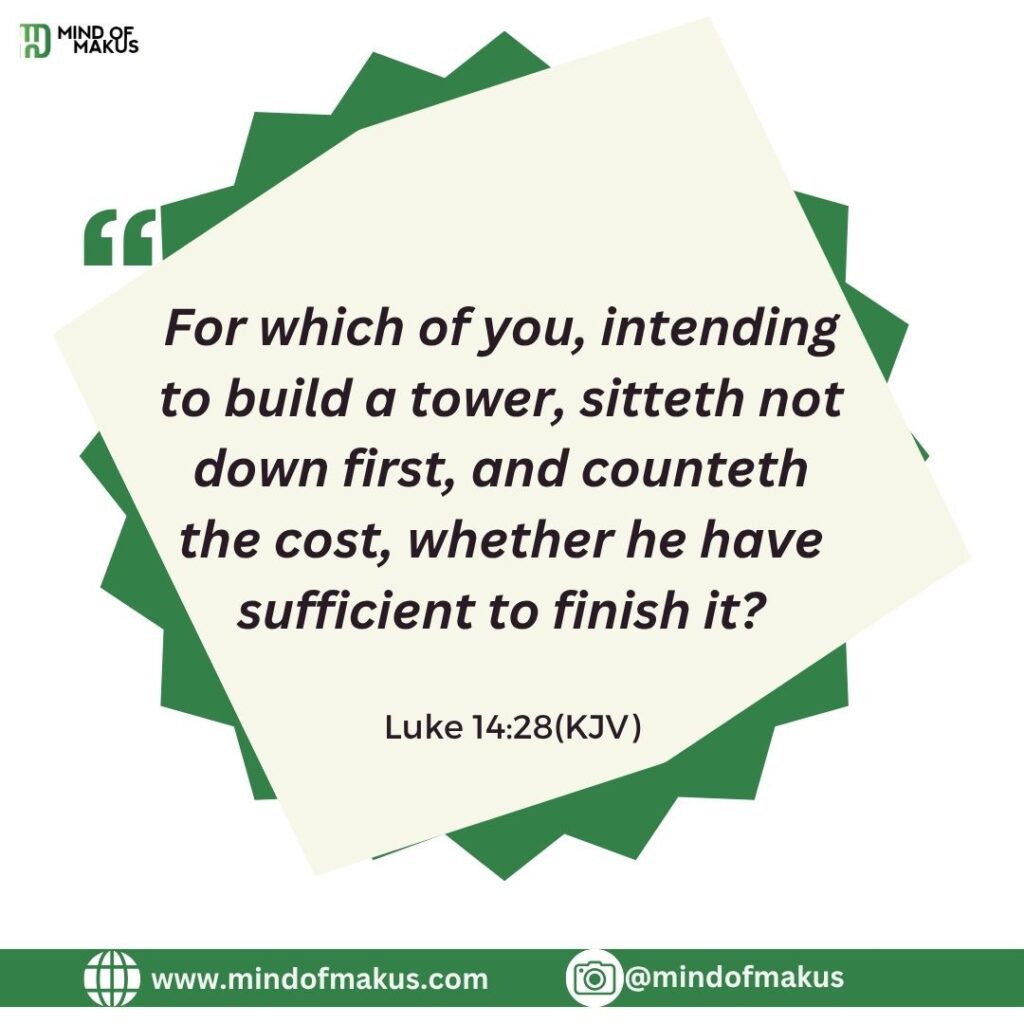
A goal can look impressive on paper and still be unhealthy in practice.
You can be making progress while feeling completely exhausted. You can be building the career you dreamed about while losing your peace in the process. You can be checking things off your list while quietly becoming disconnected from yourself.
That is where ambition with limits comes in.
It does not mean thinking smaller. It means learning how to pursue meaningful goals without treating your mental and emotional well-being as something that can always be sacrificed along the way.
I have lived quite a driven life and somewhere along the way decided to pivot to a pace that felt more sustainable and remain conscious of it.
In the course of it all, I often found projects and passion-driven work that made me want to burn all my cylinders; however, I always went back to this plan, retaining the consciousness that I couldn’t burn for too long without hurting my own self.

Ambition Is Not the Problem
There is a tendency to treat ambition as though it is something dangerous when conversations about mental health come up.
But ambition itself is not the problem.
Wanting a successful career, starting a business, getting a degree, becoming financially stable, improving your skills, raising a family, writing a book, or achieving a personal dream can all be healthy desires.
The problem begins when achievement becomes the only measure of whether life is going well.
When every day becomes about productivity, it becomes easy to believe that rest is laziness, saying no is weakness, and slowing down means falling behind.
Eventually, even things that once brought excitement can begin to feel like obligations.
Healthy ambition should help build a life, not consume it.

The Pressure to Always Do More
Modern life makes this particularly difficult. There is always another goal to pursue.
Someone is getting a promotion. Someone else is starting a business. Another person is travelling, buying a house, completing a degree, getting married, becoming financially independent, or announcing a new achievement online.
And because we see so much of other people’s lives, it can feel as though everyone is moving faster than we are.
This can create a quiet pressure to constantly improve.
You finish one goal and immediately create another. You reach one milestone and barely celebrate it before asking, “What next?”
Eventually, achievement stops feeling satisfying because you never get a moment to say, “I have done enough for today.”
Subscribe to My Newsletter
Your Capacity Has Limits
One of the most important parts of setting healthy goals is understanding that capacity changes.
There will be seasons when you have more energy, more time, more money, more support, and more emotional space. There will also be seasons when you do not.
That does not make you less ambitious. It makes you human.
A goal that is realistic during one season may be completely unreasonable during another.
For example, someone may be able to work long hours while building a new business when they have few responsibilities. The same person may need to change their schedule after becoming a parent, caring for a family member, dealing with major life changes, or simply experiencing burnout.
The goal does not necessarily need to disappear. The pace may need to change.

Set Goals Around Your Real Life, Not Your Ideal Life
One common mistake is setting goals based on the person we wish we could be rather than the person we realistically are right now.
Maybe the ideal version of the day includes:
- Waking up at 5 a.m.
- Exercising for an hour
- Reading 30 pages
- Working eight focused hours
- Learning a new skill
- Running a business
- Spending quality time with family
- Cooking healthy meals
- Maintaining friendships
- Getting eight hours of sleep
It sounds wonderful. But trying to do everything at once may leave very little room to actually live.
Instead of asking, “What would the most productive version of me accomplish?”
Try asking:
“What can I realistically sustain without constantly feeling overwhelmed?”
That question can completely change the way goals are created.
Give Yourself a Sustainable Pace
There is a difference between working hard and living in a constant state of urgency.
Working hard means putting effort into something important. Living in constant urgency means feeling as though everything must happen immediately.
Not every goal needs to be achieved this month. Some goals can take six months. Some can take two years. Some may take longer.
Progress does not lose its value simply because it takes time. In fact, slow progress that you can maintain is often more valuable than intense progress that leaves you exhausted and unable to continue.
Consistency needs sustainability.
If the only way to maintain your goal is to constantly sacrifice sleep, relationships, peace, meals, hobbies, or recovery, the strategy may need to be reconsidered.

Learn to Separate Urgency From Importance
Everything can feel important when you are ambitious, but not everything is urgent.
A message does not always need an immediate response.
A project does not always need to be completed tonight.
A new opportunity does not always need to be accepted.
And someone else’s timeline does not automatically become your deadline.
Before adding something to an already-full schedule, ask:
“Does this genuinely need to happen now?”
That small pause can prevent a lot of unnecessary pressure.
Make Rest Part of the Goal
Rest should not only happen when everything is finished, because, honestly, everything is rarely finished. There will always be another email, another assignment, another task, another business idea, another responsibility.
If rest happens only after everything is done, you may never get enough of it. Instead, make rest part of the plan.
- Protect your sleep.
- Take days when productivity isn’t the main objective.
- Spend time with people who matter.
- Do things that have no obvious career or financial benefit.
- Schedule breaks.
- Laugh.
- Go outside.
- Watch something silly.
- Sit quietly.
- Do absolutely nothing sometimes.
Rest is not the opposite of ambition.
Pay Attention to the Warning Signs
Sometimes the body and mind notice a problem before we consciously acknowledge it.
- Constant irritability may be a sign that you are carrying too much.
- Difficulty concentrating may mean you need a break.
- Losing interest in things you normally enjoy can be a warning sign.
- Always feeling behind, even when you are accomplishing a lot, deserves attention.
So does constantly feeling guilty when you rest.
These signs do not automatically mean something is seriously wrong, but they are worth listening to. Your mental well-being should not have to completely collapse before you permit yourself to slow down. And if stress, anxiety, low mood, exhaustion, or other mental health difficulties are persistent or interfering with everyday life, reaching out to a qualified mental health professional can be an important step.
You can Support My Work
Ask Better Questions Before Setting a Goal
Before committing to a new goal, take a moment to ask:
- Why do I want this?
- Is this something I genuinely want, or something I feel pressured to want?
- What will this goal require from me?
- Do I realistically have the time and energy for it right now?
- What might I have to sacrifice?
- Are those sacrifices temporary or likely to become permanent?
- How will I know if the goal is becoming unhealthy?
- What boundaries do I need to protect?
- What happens if I need more time than expected?
- Does the life I am creating while pursuing this goal actually feel like a life I want?

That last question is particularly important.
Because sometimes we become so focused on reaching the destination that we forget to examine the life we are living along the way.
A Healthier Definition of Success
Perhaps success is not simply reaching the biggest possible goal. Perhaps success is building something meaningful without losing yourself in the process.
It is being able to work toward something while still sleeping. To pursue growth while maintaining relationships. To be disciplined without becoming cruel to yourself. To recognise when you need a break without feeling ashamed. To celebrate progress without immediately moving the finish line.
And to understand that your worth does not increase every time you accomplish something. You are a person before you are a productivity machine.
Your goals matter. Your dreams matter. Your ambition matters. But so does the person who has to live through the process of achieving them.
So dream. Plan. Work. Grow. But give your ambition boundaries, because the goal should not simply be to build a successful life. It should be to build a life that is worth living while you are becoming successful.
Until next time — stay warm, stay growing, stay loving, stay whole.
With love and light
Amaka.