
Hello,
I hope you are well.
It is that time of year, and I recently found myself browsing the shops amidst all the beautiful displays. I went looking for a specific shelf and ended up leaving with diffusers, photo frames, and mugs. I’m sure you can relate!
Lately, I’ve been reflecting on what happens when we resist the pull to be constantly busy. While reading a fascinating book on the subject, I decided to experiment with doing “nothing,” only to realize I was actually making space for things that truly matter to my heart: reorganizing, decluttering, enjoying slow conversations, volunteering, and taking unhurried local trips.
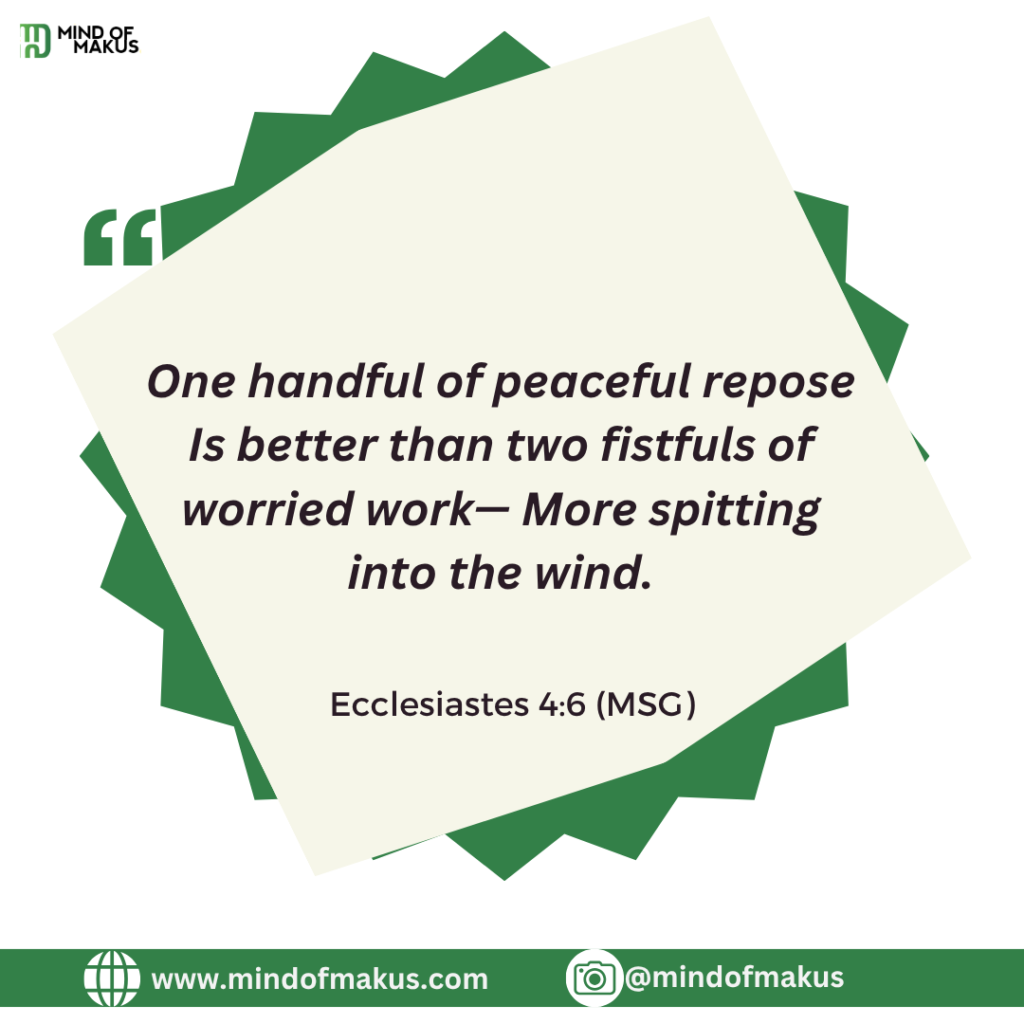
It made me wonder: when we seem to be doing nothing, are we really just reprioritizing our time toward what feeds our souls? Can we hold space for both the tasks that serve as a means to an end and the activities that bring us genuine fulfilment? This line of thought brought me to the concept of anchor practices—small, familiar routines or activities that help ground us when life feels heavy, overwhelming, or exhausting.

There are days when nothing is specifically wrong, yet everything feels like too much. You still have the same responsibilities and expectations, but you simply do not have the same energy to meet the day. On these days, ordinary tasks can feel unusually difficult.
You do not need to force productivity or pretend you are fine; you may simply need something familiar to hold onto. That is where anchor practices make a difference.
What is an Anchor Practice?
An anchor practice is a small activity, habit, or routine that helps you return to a sense of steadiness when you feel overwhelmed, emotionally tired, or distracted. It does not have to change your situation or instantly make you happy. Its purpose is much simpler: to give you a gentle starting point.
When the day feels uncertain, an anchor gives you something familiar to return to—whether that is making your bed, taking a shower, sitting quietly, writing your thoughts down, or stepping outside.

Recently, after losing my older cousin, I found myself in a state of deep grief. During that time, taking aimless walks outdoors became my most grounding anchor, helping me feel present when my emotions felt inaccessible. What matters isn’t the scale of the practice, but what it represents: a small decision to care for yourself, even when you cannot manage a full routine.
Subscribe to My Newsletter
Start With What Already Helps You
You do not need to create an elaborate routine or adopt a dozen new habits. Instead, pay attention to the small, ordinary things that naturally help you feel settled:
- A warm cup of tea or a quiet moment in the morning
- Taking a short walk or listening to music
- Prayer, journaling, or speaking with a trusted friend
Your anchors do not need to mirror anyone else’s; they should simply be the things that have helped you through difficult moments in the past.
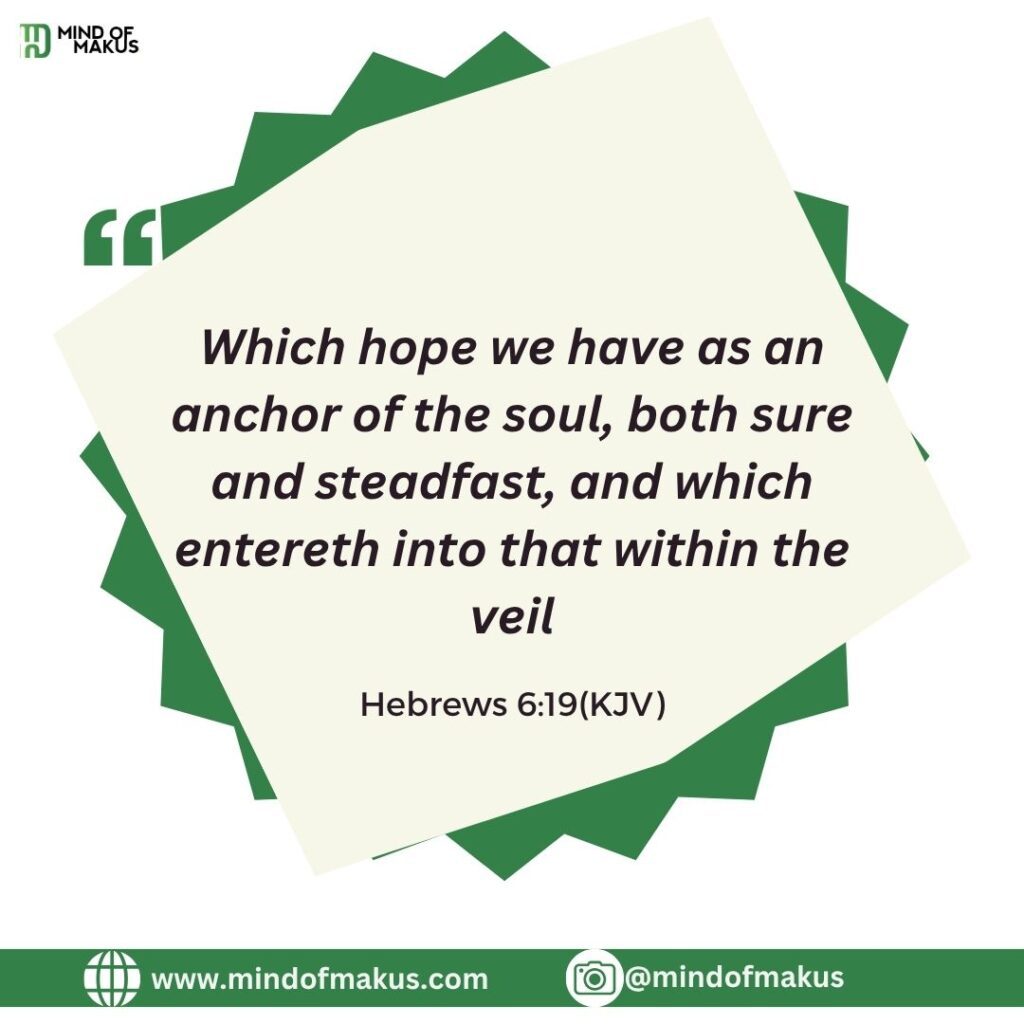
Have Different Anchors for Different Needs
The rest you need after a bereavement is different from the rest you need after a demanding day at work or an illness. Different circumstances call for different practices:
- When your mind feels crowded: Write down your thoughts, put your phone away, sit somewhere quiet, or focus on a single task.
- When you feel emotionally drained: Speak with someone safe, listen to music, pray, or give yourself permission to cry and acknowledge the hard day.
- When you feel physically exhausted: Prioritize simple care—eat, drink water, shower, or sleep.
- When you feel disconnected: Step outside, take a walk, or spend time with someone you trust.

The goal is not to force yourself out of difficult emotions, but to respond to yourself with care as you move through them.
Make Your Anchors Easy to Reach
An anchor should be simple and accessible on the days you need it most. If a practice requires significant effort or preparation, you may not have the energy to pursue it when you are struggling.
Keep it simple:
- Keep a dedicated playlist or journal nearby.
- Place encouraging words where you can easily see them.
- Identify one or two people you can reach out to without hesitation.
- Maintain a brief list of activities that help you feel grounded.
By doing this, you make life easier for the version of yourself that lacks energy—a version that is just as worthy of care as the one managing a full workload.
Do Not Measure Your Life Solely by Productivity
There are days when simply getting through the day is an accomplishment in itself. Completing one task instead of five, answering a single email, or choosing to rest when you are weary all matter.
“Your worth does not increase on highly productive days, nor does it decrease when you need rest.”
As your responsibilities, environment, and needs evolve, your anchor practices can change too. The key is not rigid adherence to a routine, but knowing what helps you return to yourself when life becomes overwhelming.
You can Support My Work
Navigating Heavy Days
Real life often happens in the quiet spaces between our major achievements—in the brief pause before replying, or the quiet moments of transition throughout the day.
You do not have to turn every difficult day into a lesson or force a positive spin on every challenge. Sometimes, it is enough to simply acknowledge that a day feels heavy and choose one small practice to help you stay grounded.
You may not be able to control how every day unfolds, but you can create small places of steadiness to return to.
Until next time—stay warm, keep growing, and be gentle with yourself.
With love and light,
Amaka.