

Hello dear friend,
I hope you are well today?
It’s such a beautiful weekend, I get to spend time with family and my friends from HGBA at a conference.
I have been thinking about community a lot and what it takes to build one and sustain one.
The interplay of layered relationships and how they all contribute to the rightly women cloth that covers us when we are happy ,sad, broken or healed.
It is worth thinking about who and what makes up the community around us.
When we live in community, one of the things that we would experience, hopefully often, is compliments.
I remember as a young person, getting quite embarrassed when people paid me enough attention to notice anything about me much less something good. I would want to just go and and come unnoticed.
Compliments may feel uncomfortable at first, but they create space for appreciation instead of self-criticism. They often highlight things we should notice and intentionally steward for good.
Receiving Kindness
Like any gift , kindness is usually unexpected and very well ewcoced by many but some of us struggle with it.
We overthink the motive, the payback, the future consequences and we lose the beauty of the moment.
When someone offers you kind words, you do not need to qualify the compliment.
- You don’t need to list everything that went wrong.
- You don’t need to point out your imperfections.
- You don’t need to deflect the praise.
If appropriate, you can absolutely acknowledge others who helped while still accepting your own contribution.
Instead of saying: “It wasn’t really me; I barely did anything.“
Try saying: “Thank you. I’m grateful for everyone’s support, and I’m happy with how it turned out.“
Simple, humble yet graceful.
Notice the difference. One response dismisses your effort; the other honors both your contribution and those who stood beside you.
Compliments Become Mirrors, Not Measures
I remember people saying you shouldn’t compliment someone because it might get to their head and they become prideful. This was the practice and maybe still is in some families.
While there may be some people who take complements and weaponize them oenuse them as a tool for harm , for most people, compliments are the validation of external experience that boosts inner identity.
They should never become the foundation of your identity. Your worth is not determined by applause or approval. However, they can serve as gentle mirrors.
Sometimes, other people see strengths in us long before we recognize them ourselves.
They notice our patience, kindness, creativity, resilience, leadership, or compassion, even when we are focused entirely on our shortcomings.
These relational evidence of our existence, contribute significantly in the formation of what the we eventually call our personalities.
This is beautifully reflected in scripture:

Receiving those observations with openness doesn’t make you dependent on praise. It simply allows you to see yourself more clearly.
Why Deflecting Hurts Us
If you find it difficult to accept a compliment, you are not alone. Some studies shows that our ability to accept praise is closely linked to our self-esteem.
The Self-Verification Theory: A study published in the Journal of Experimental Social Psychology found that individuals with lower self-esteem often feel uncomfortable with compliments because the praise contradicts their own self-views. They deflect the compliment to keep their self-image consistent.
The Stress of Deflection:
Other papers suggest that constantly rejecting positive feedback can reinforce cognitive distortions (like “filtering out the positive”), which can drive higher levels of anxiety and burnout, significant driving up our stress levels.
When we reject a compliment, we aren’t just being humble—we are often actively reinforcing a negative narrative about ourselves.
Over time, this habit makes it harder to celebrate progress. You become so accustomed to minimising yourself that achievements feel undeserved, and joy becomes difficult to hold onto.
Deflecting also affects relationships. People offer compliments to encourage, connect, and express appreciation. Repeatedly rejecting those expressions can unintentionally create emotional distance, reducing trust within community.
Accepting a Gift
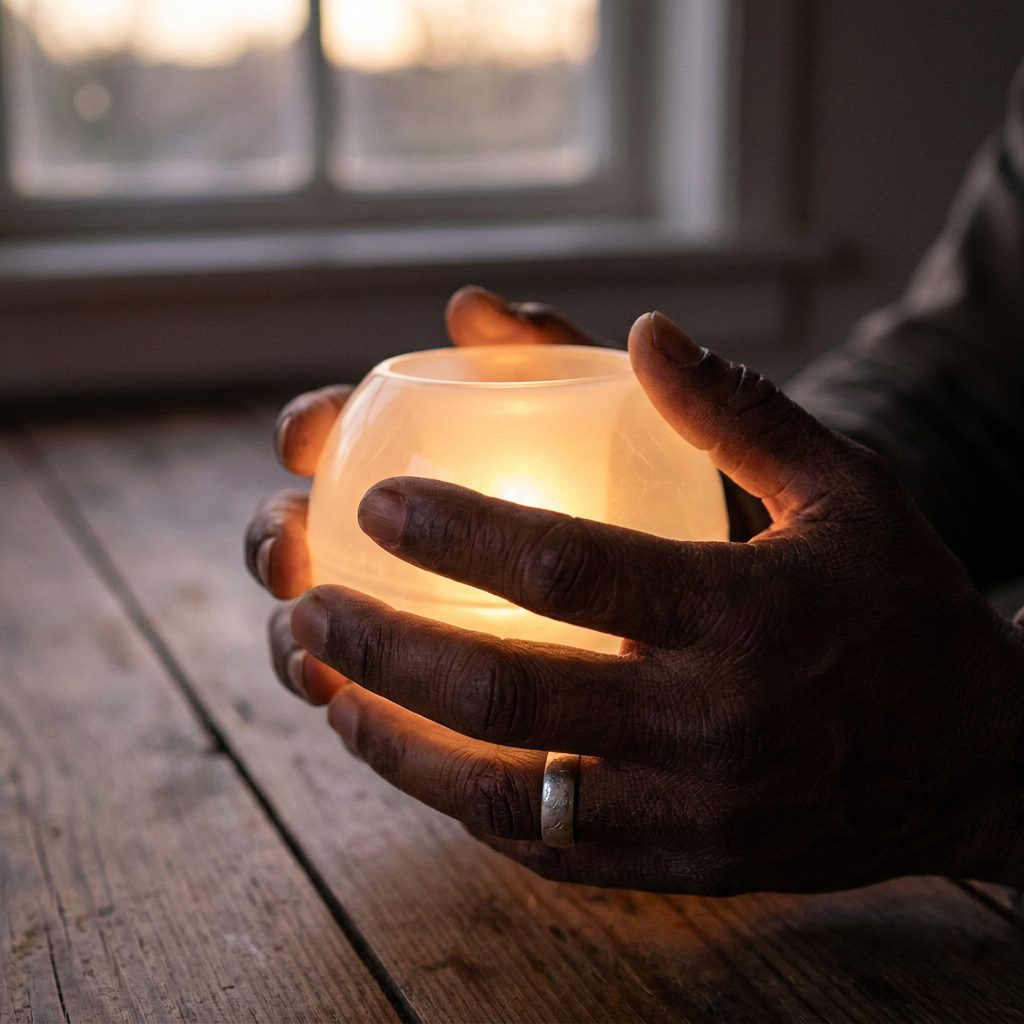
Not every compliment needs to become a test of whether you’re worthy. Sometimes, it is simply a gift. And gifts are meant to be received with grace.
As the Apostle Paul reminds us, our gifts and abilities are things we are meant to steward and acknowledge:
“For by the grace given to me I say to everyone among you not to think of himself more highly than he ought to think, but to think with sober judgment, each according to the measure of faith that God has assigned.”
Romans 12:3
Receiving a compliment with a simple “thank you” isn’t prideful. It is an act of “sober judgment”—an honest acknowledgment of a truth.
A Gentle Invitation
The next time someone says, *”You did a great job,”* resist the familiar instinct to shrink.
Instead:
1. Pause.
2. Smile.
3. Say, “Thank you.“
Then, allow yourself to believe that perhaps, just perhaps, they are telling the truth.
Receiving compliments isn’t about thinking more highly of yourself. It’s about thinking more honestly. And sometimes, honesty is as simple as accepting kindness without trying to give it back.
You owe no one a payback for a compliment, you only get to receive it and extend the same kindness to others generously.
Take it
Give glory to God
Keep the goodness going to the world.
Until next time — stay warm, stay growing, stay loving, stay whole.
With love and light,
Amaka.