Hello, dear friend,
I hope you are well. The UK is experiencing its first round of heat, and it’s quite intense this week.
Unfortunately, my poor plants are not coping too well with it either.
Like most living things, prolonged stress makes us dry up, wither and what’s left of us can almost be thrown in the bin.
At the start of my career, I never really considered life rhythms as I pursued my exams and training and all the structures that follow them. It took me 2 years into being a mum for the lightbulb to come on, and I started to consider how I was doing life.
How was I waking
How was I sleeping
How was I eating
How was I resting
I started to examine my own life
The unexamined life is not worth living – Socrates
Some days do not end when the clock says they should. They follow you home.
You carry them on your shoulders, in the silence of your room, and in the tightness across your chest long after the ambient noise of the outer world has stopped.
Perhaps it was a friction-filled conversation, a quiet disappointment at work or school, the emotional depletion of constantly performing “strength,” or simply the collective mass of too many competing demands occurring simultaneously.
Emotional overwhelm can be deceptively quiet. It does not always announce itself with dramatic crises. Often, it manifests as subtle irritability, a protective numbness, chronic overthinking, tears that arrive without an obvious catalyst, or a persistent inability to settle even when you finally have the physical time to rest.
The baseline reality is simple: our minds and bodies were never biologically or psychologically designed to hold stress indefinitely without active, deliberate intervals of care.
Learning how to de-escalate from emotional overwhelm is not an admission of weakness. It is emotional wisdom. It is the skilled practice of returning to yourself after the demands of life have extracted too much from your reservoir.
What Overwhelm Really Feels Like: A System Mismatch
At its core, emotional overwhelm occurs when our internal ecosystem receives more psychological pressure than it can comfortably process at any one time. There is an accelerated loading phase paired with a severely restricted processing window. When this occurs, our baseline coping mechanisms become saturated.
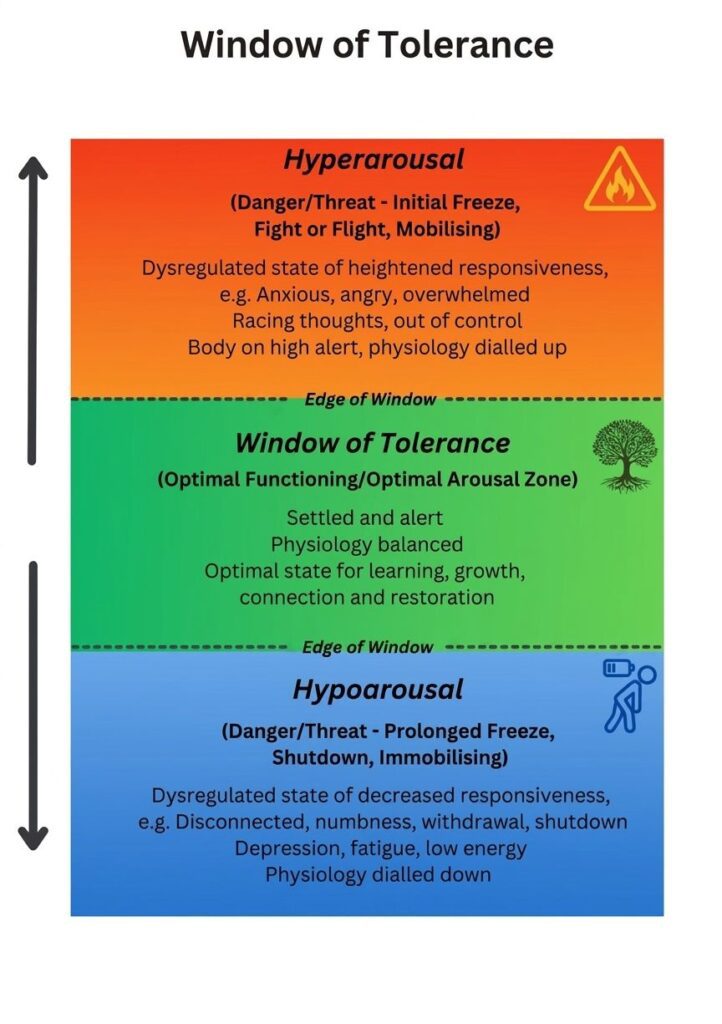
This saturation communicates through the nervous system, manifesting as:
- Racing thoughts that resist deceleration
- Sudden emotional flatlining or protective shutdown
- Hyper-sensitivity or crying easily
- Disproportionate irritation over minor inconveniences
- Cognitive fragmentation and difficulty concentrating
- Profound physical exhaustion independent of physical labour
- A sense of depersonalization, or feeling disconnected from your own body
When these states arise, we frequently mislabel our responses as “being dramatic.”
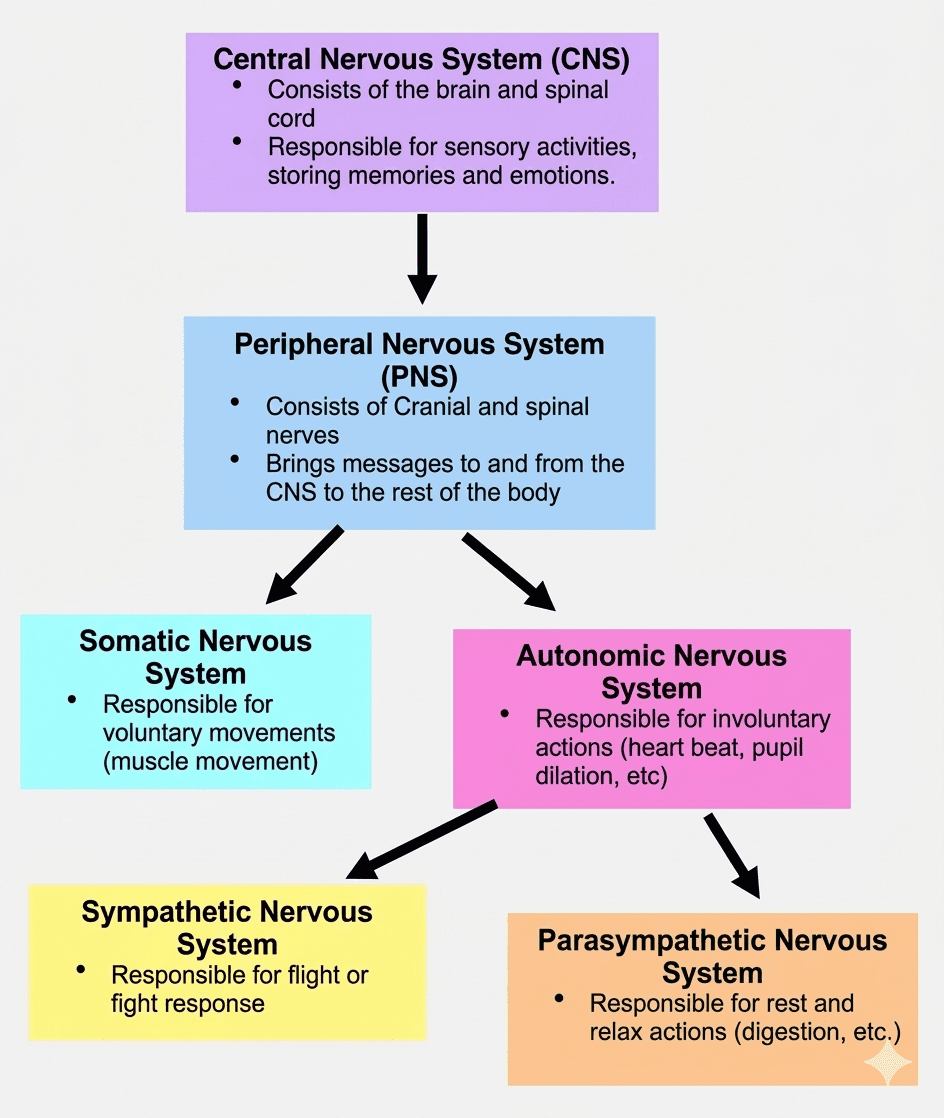
In reality, the nervous system is communicating through the only vocabulary it has left, signalling an urgent requirement for safety, structural rest, reassurance, and somatic release.
The Illusion of “Pushing Through”
In many modern environments, the cultural default to stress is acceleration—a compulsion to override internal signals.
This brings to mind a specific form of disciplinary punishment used in some West African secondary schools known as “pushing the bus.” An individual is instructed to press their weight against a wall or a blackboard where a bus has been drawn, exerting maximum physical effort to move a fundamentally stationary object
When we tell ourselves, “I should be stronger,” “Other people have it worse,” or “I don’t have time to feel this,” we are essentially pushing the bus. We expend immense amounts of vital energy moving toward a destination that does not exist.
Anthropological research consistently demonstrates that chronic hyper-vigilance and the denial of rest are not natural human baselines, but rather cultural constructs.
In a landmark cross-cultural critique of modern labour rhythms, Dr Melissa Gregg coined the term “Functional Burnout” to describe how modern corporate and institutional structures treat human energy as an infinite resource.
Her work demonstrates that ignoring emotional signals does not dissolve them; it merely translates them into chronic physical pathology.
Furthermore, evolutionary anthropology reveals that early human societies organised their lives around varied, seasonal, and highly flexible patterns of exertion and collective rest. The rigid, non-negotiable eight-to-five framework is a relatively recent industrial invention, not an ecological truth.
Rest is not an entitlement you earn only after experiencing a complete systemic breakdown. Rest is a physiological imperative.
Leading with the Body
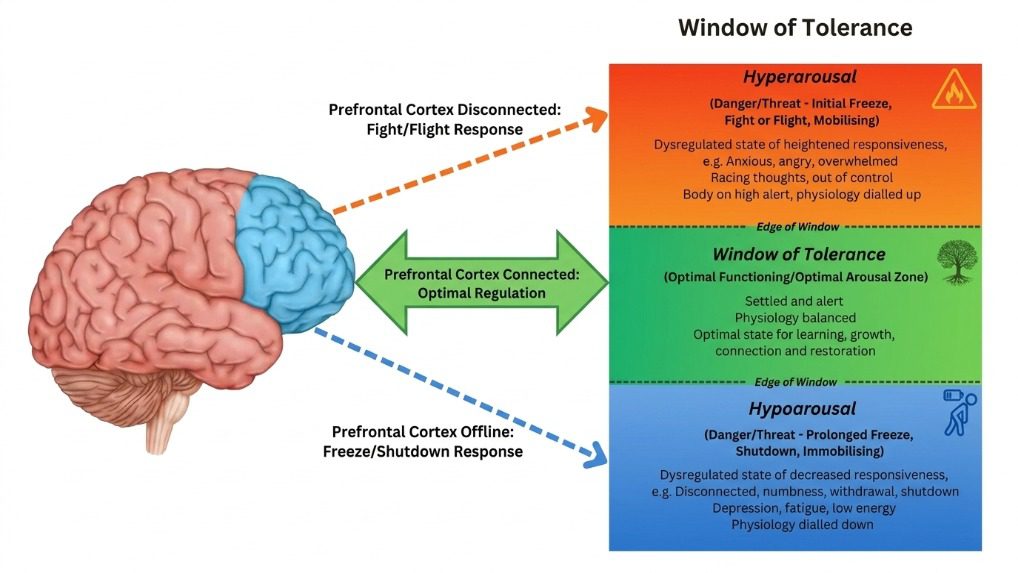
When emotions are highly intense, our cultural conditioning prompts us to “think” our way out of the spiral. However, when the nervous system enters a survival state (fight, flight, or freeze), the prefrontal cortex—the area of the brain responsible for executive function, logic, and organization—is temporarily offline.
True emotional regulation must begin in the body. If you are in a physically safe environment, the first step is to gently shift from cognitive analysis to somatic awareness.
1. Controlled Expiration (The Parasympathetic Shift)
Slow, deliberate breathing alters the biochemistry of the blood, signalling safety directly to the brainstem and activating the vagus nerve. This down-regulates the sympathetic nervous system and coaxes the body back toward homeostasis.
- Inhale deeply through the nose for 4 seconds.
- Hold your breath gently for 4 seconds.
- Exhale smoothly through the mouth for 6 seconds.
Repeat this cycle three to five times without demanding an immediate emotional transformation. The objective is simply to provide the body with a biological cue of safety.
Subscribe to My Newsletter
2. Present-Moment Orientation (Grounding)
Overwhelm functions like a time machine, forcibly pulling the mind into past regrets or future anxieties. Grounding techniques interrupt this cognitive loop by anchoring attention strictly within your immediate sensory coordinates.
Sensory Step
- 5 Things: Acknowledge five distinct objects you can see in your immediate vicinity.
- 4 Things: Notice four physical sensations you can feel (e.g., the texture of your sleeves, the floor beneath your feet).
- 3 Things: Identify three unique auditory inputs occurring around you.
- 2 Things: Discern two scents present in the air.
- 1 Thing: Focus on one specific taste current in your mouth.
Radical Emotional Honesty
Much of the secondary suffering associated with overwhelm stems from self-inflicted shame. We judge ourselves for having limits.
True emotional resilience requires the cultivation of a non-judgmental space where feelings can exist without immediate interrogation or punishment. It is deeply therapeutic to simply acknowledge reality exactly as it is:
“That interaction hurt me.”
“I am operating with a depleted battery today.”
“The weight of this week is heavy.”
“I need a period of comfort.”
Not every internal state requires an immediate action plan. Some emotional states require permission to pass through without being pathologized.
Reducing Environmental Input
An overwhelmed brain is fundamentally an overstimulated brain. In the aftermath of a taxing day, our cognitive bandwidth is narrow.
Continued exposure to digital feeds, notification pings, or complex interpersonal dynamics prevents the brain from entering its default mode network—the neurological state necessary for processing and recovery.
Permit yourself to temporarily disconnect from:
- Reactive, endless social media consumption
- Interpersonal interactions that demand heavy emotional labour
- The continuous stream of digital notifications
- High-decibel, chaotic environments
Quietness is not merely the absence of sound; it is structural medicine for an overloaded mind.
Staying Anchored Where Your Feet Are
In comparative mythological and anthropological studies, in which I recently contributed a paper during a course I took, human creation narratives frequently highlight our intrinsic connection to the material world.
Across various indigenous cosmologies, as well as in Norse mythology (where the first humans, Ask and Embla, were shaped from trees), humanity is depicted not as separate from nature, but as structurally continuous with the earth.
When we lose touch with this grounding, we enter survival mode. In high-stress, low-safety environments, our reflexes become incredibly fast, but our perspective narrows significantly. We react to every external demand as an existential emergency.
It is vital to remember: someone else’s urgency does not automatically constitute your emergency. You are infinitely more effective, discerning, and helpful to those around you when you operate from a position of grounded stillness rather than frantic reactivity.

The Necessity of Protected Spaces
While short-term periods of solitude are highly restorative, prolonged isolation can inadvertently reinforce the internal narrative that you are entirely alone with your burdens.
True connection acts as a powerful regulator for the human nervous system. This does not always mean seeking solutions or advice; often, it simply means being seen and heard by a safe observer:
- A trusted colleague or peer
- A family member who practices active listening
- A mentor who offers perspective without judgment
- A professional counsellor or facilitator
For those navigating structurally demanding careers or long-term caretaking roles, relying on sporadic rest is rarely sufficient. Culturally, many societies utilized formal, recurring retreats or communal pauses to prevent collective depletion.
Booking dedicated, structured periods of rest at predictable intervals throughout the year ensures that recovery becomes a fixed component of your operational schedule, rather than an afterthought.
You can Support My Work
Restoring What Stress Has Depleted
Because emotional stress is a whole-body experience, true recovery requires somatic restoration. When life demands an excess of your psychological energy, your body requires immediate, fundamental replenishment:
- Hydration: Stress responses increase cortisol levels, which can alter fluid balance; simple hydration stabilizes cellular function.
- Nutrient-Dense Nutrition: Providing the body with stable fuel sources prevents blood sugar fluctuations from compounding emotional volatility.
- Restorative Sleep: Allowing the brain’s glymphatic system to clear metabolic waste accumulated during high-stress states.
- Low-Velocity Movement: Gentle stretching or walking in natural light shifts stagnant physical tension without triggering further cortisol release.

Calmness as an Iterative Practice
Emotional regulation is not a permanent state of perfection; it is an ongoing, dynamic practice. Choosing to live an examined life does not mean you will never encounter chaos, disappointment, or systemic pressure again.
Rather, it means that over time, your capacity to return to the centre becomes more fluid, more accessible, and characterized by significantly more self-compassion.
Growth in this area is rarely loud. It shows up in quiet choices:
- Choosing to respond intentionally rather than reacting impulsively
- Opting to rest proactively before an absolute burnout forces you to
- Articulating a need for support before a crisis peaks
- Gently holding space for yourself on the days that feel heavy
You do not need to emerge from a difficult period entirely transformed, nor do you need to manufacture a false sense of positivity. You simply need to allow yourself the grace of a pause.
Emotional overwhelm is never proof of an internal flaw; it is simply tangible evidence that you have been carrying human weight for too long without a corresponding human rest. Turn toward yourself with softness today.
Until next time — stay warm, stay growing, stay loving, stay whole.
With love and light,
Amaka