
Hello dear friend,
I hope you are well today.
Like me, maybe you have had many transitions in life and come out with lessons.
I have found that a great superpower to gain and retain is the ability to look beyond current challenges and move in the direction of constant improvement.
I recall feeling like my world was over when my dad passed away 17 years ago. Even though he wasn’t always kind, I could count on him and depend on him to a certain degree.
I spiralled a little from insecurity, and thankfully, I found myself in a closer relationship with God, my sure foundation.
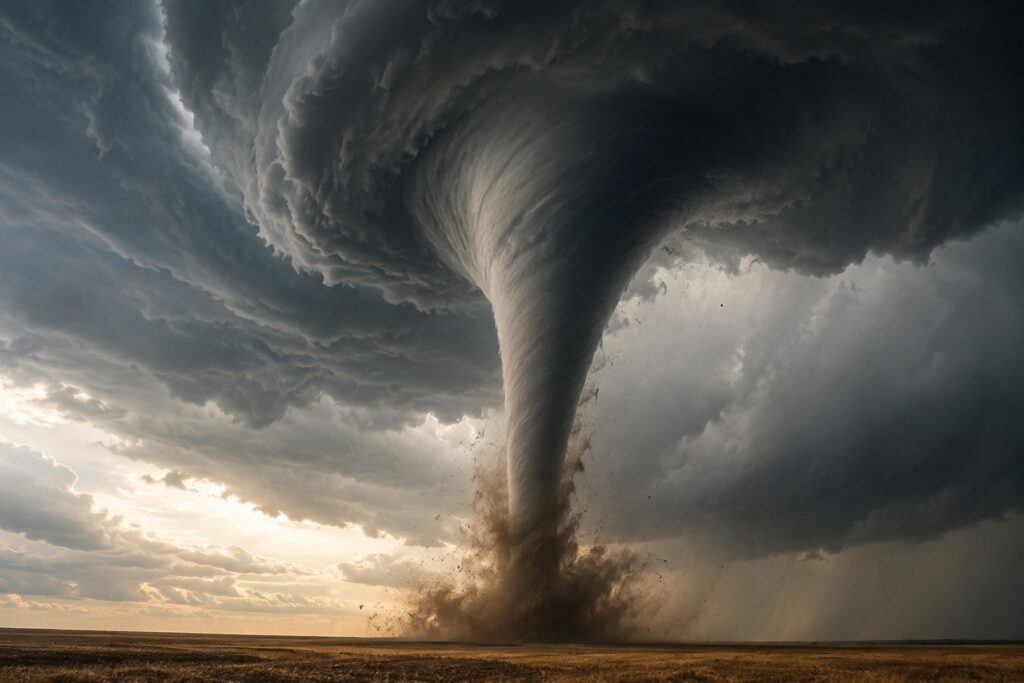
When you are in the middle of a painful or stagnant stretch of life, it is remarkably easy to mistake the present moment for the entire narrative. We look around at where we are, feel the weight of our current struggle, and conclude: This is just who I am. This is how things will always be.
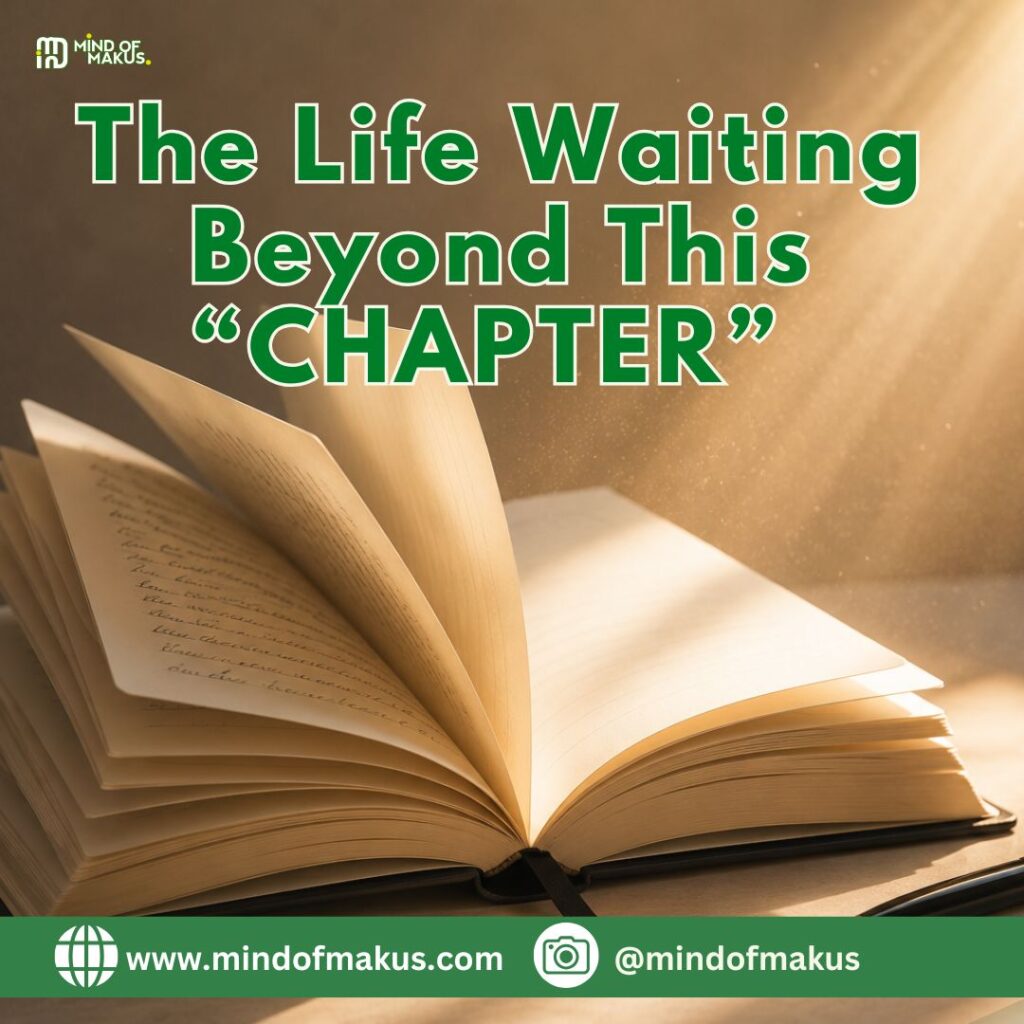
If you find yourself in that heavy place today, take a slow breath and remember: “You are reading a single chapter, not the entire book.” The page you are on right now does not have the authority to decide how your story ends.

The Mind’s Trick: Why We Forget We Can Change
Our brains are wired to project the present into the future. In psychology, this is known as the “End of History Illusion.” Studies show that at almost every stage of life, human beings recognize that they have changed significantly over the past decade.
Yet, they consistently underestimate how much they will continue to evolve in the next one. We tend to treat the person we are today as a finished product.
Scripture echoes this truth about our continuous unfolding.
He who began a good work in you will carry it on to completion. Philippians 1:6
The key word there is carry. Sanctification, growth, and healing are dynamic processes, not single events.
When you feel stuck, your brain is simply playing a trick of memory and projection. Science and faith agree on this core truth: you are an ongoing work in progress, not a final draft.
Subscribe to My Newsletter
Life in the In-Between
Anthropologists use the term liminality (from the Latin limen, meaning “threshold”) to describe the transitional space between who you were and who you are becoming. It is the disorienting, uncomfortable phase where the old identity is gone, but the new one hasn’t fully taken shape.
During a visit to the spas with a dear companion last year, she became visibly emotional, shedding tears as she contemplated the transitional phase of existence.
The uncertainty surrounding our evolving identities and the lack of familiarity with the processes and experiences that guide us through this transformation proved to be a frightening, yet ultimately essential, aspect of this realization.
We see this pattern throughout the biblical narrative. God rarely moves someone from point A to point B overnight:
- Moses spent 40 years in the desert before leading Israel.
- Joseph endured a pit and a prison before reaching the palace.
- The Israelites spent decades in the wilderness learning how to live free.
Liminal spaces feel scary because they lack certainty. But we see from various disciplines that these thresholds aren’t dead ends; they are the fertile soil where transformation actually happens. Without the unspooling of the old chapter, the new one cannot begin.

What Waits for You Ahead
My dear friend, will you permit yourself to stop demanding perfection from the page you are turning today? The beauty of a human life isn’t found in a flawless, linear plotline.
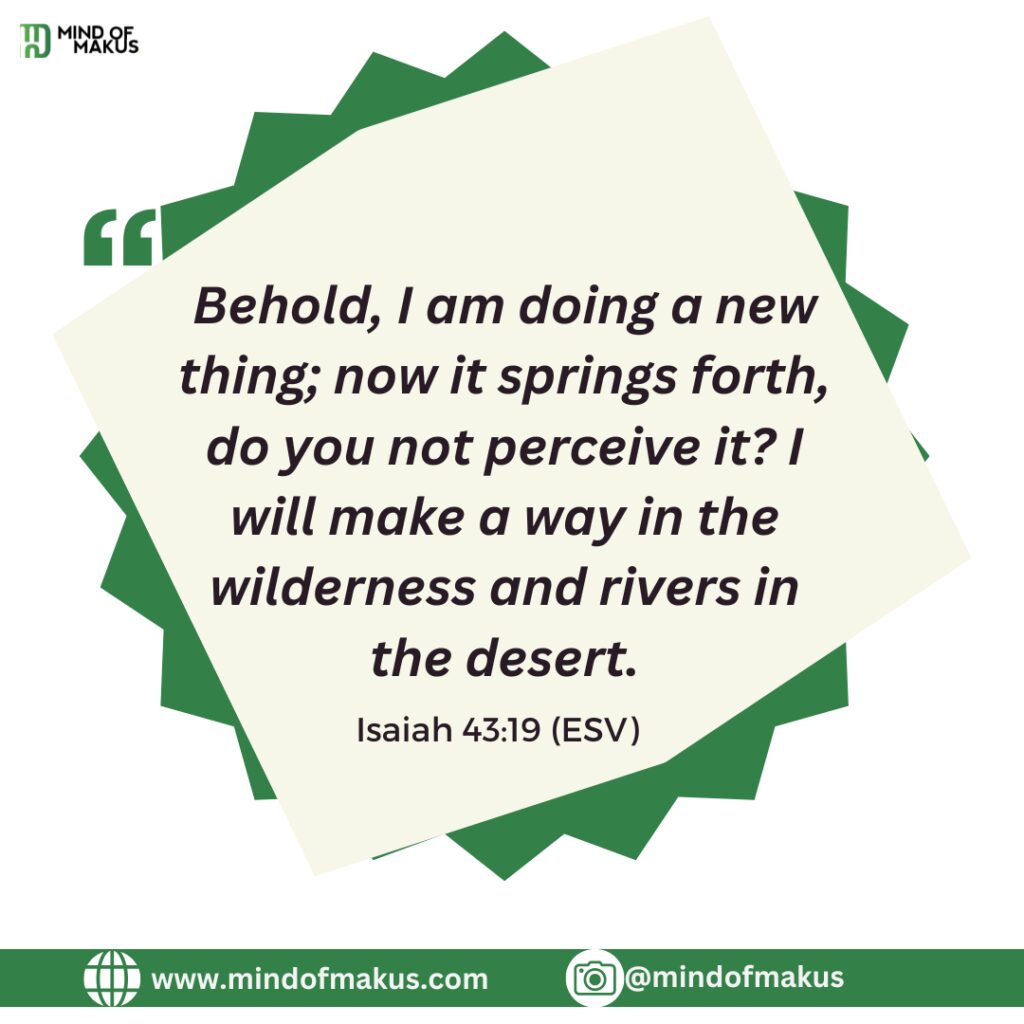
- There is still growth ahead: Neuroplasticity proves your brain remains capable of forming new neural pathways at any age, and spiritually, your spirit is renewed day by day (2 Corinthians 4:16).
- There are still moments waiting to surprise you: Joy rarely announces its arrival; as the psalmist noted, “weeping may stay for the night, but rejoicing comes in the morning” (Psalm 30:5).
- There are still parts of yourself you have not discovered: You haven’t yet met all the people you will love, nor have you seen all the unique ways God will work through your story.
- There is still a life waiting beyond this chapter: The hard times are a temporary setting, not your final destination.
You can Support My Work
The Beauty of the Unwritten Page
Perhaps the most comforting thing about your story isn’t that every chapter will be easy or comfortable. It is that the next one has not been written yet, and the God who authors hope is holding the pen alongside you.

Until next time — stay warm, stay growing, stay loving, stay whole.
With love and light,
Amaka.