Hello dear friend
I hope you are well today. And you had a rewarding week.
This week, I have been thinking about what it costs to change your life. We all have the life we are living and the life we want to live. Our efforts and the election of divine grace help us bridge the gap.
What is the life you want to live, my dear friend? Are you there? What is stopping you? What are the barriers? Are you ready to pay the price?
I realize that the change will cost something and often times. The cost is our comfort and the things that have previously defined us and formed our sense of self.
Sitting at a send-off party for a friend last weekend and realising that this day right now, with these exact people, circumstances, in this moment in time, will never happen again. It was humbling, and I got a renewed energy to live in the moment and not consider my laundry pile or the fact that I don’t have my car back yet from the garage.
Staying where my feet are requires active intervention. I want to encourage you to check often where your thoughts are.

The Freedom of the Ordinary
There is something deeply freeing about doing things that nobody else sees, staying connected to inner purpose rather than outer adulation or reward. Enjoying that joy from seeing the work of your heart in real life.
Have you stopped to think about all the ordinary things you do every day that often go unrewarded? The things without which everything else may not stand. That laundry, that fuel top up, that dish rack cleaning, the colleague you supported, the waiting for someone to cross the street.
Consider the quiet joy of reading a novel that you never review online, or taking a walk without tracking your steps. Think of cooking a comforting meal without photographing it, singing along to your favourite song even if you miss every note, or learning a skill simply because it sparks your curiosity—not because it will generate income.
For centuries, human culture wasn’t built on public performance. In many traditional and indigenous societies, rituals, crafts, and storytelling were deeply embedded in daily communal life.
They weren’t treated as individual achievements to be measured or ranked, but as shared threads that connected people to nature and to each other—a genuine shared spirit.
In our modern world, we have drifted toward what scholars call “hyper-individualism” and the commodification of leisure. A wellness day often involves spending money and engaging in unsustainable, structured activities.
We are subtly taught to view our private time as a resource to be optimised, or a brand to be built. But these quiet, unseen moments remind us of an essential truth: your worth is not tied to your performance.
Subscribe to My Newsletter
A Moment to Reflect:
Think back to a time this past week when you did something purely for the quiet joy of it. How did your body feel in that moment, knowing no one was watching or judging?
Not every experience needs to become content. Not every hobby needs to become a business. Not every joyful moment needs proof. Do foolishness for foolishness sake.
Relearning What Matters
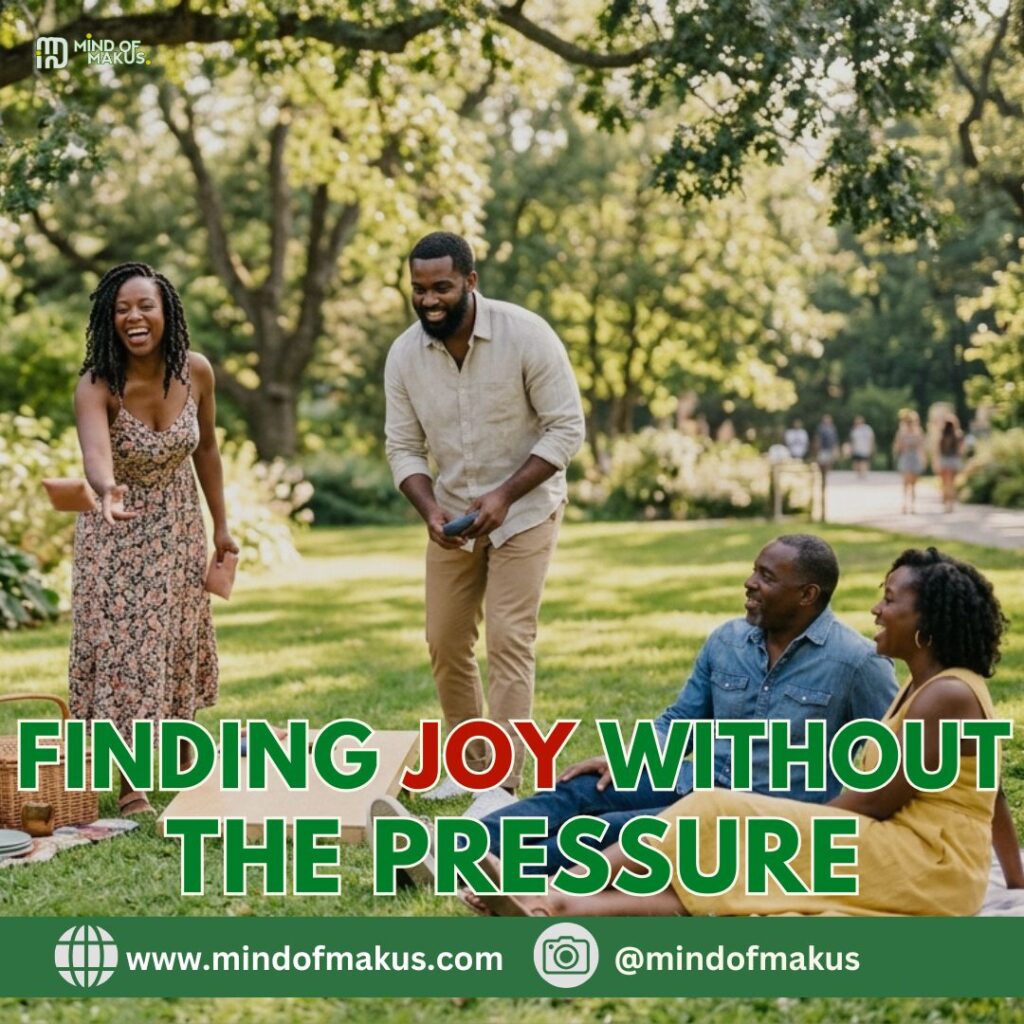
Finding joy without pressure requires a small but powerful shift in perspective. Studies on happiness and well-being across different cultures consistently show that humans thrive most when they experience autotelic activities—things done purely for the intrinsic reward of the activity itself, rather than for an external prize or applause.
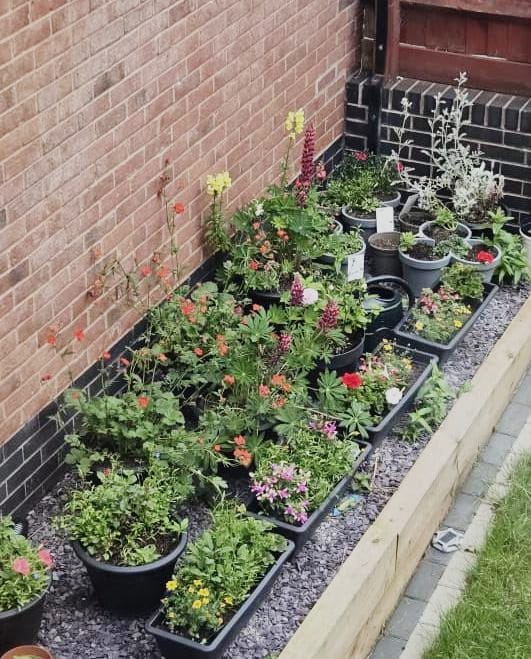
The joy I felt just helping my friend sort out her garden on a working day off was something that I cannot fully explain to anyone. Yet it bonded us and supported my own well-being in ways that cannot be put into monetary value.
To reclaim this in our own lives, we can gently change the questions we ask ourselves.
Instead of asking:
“Will this impress anyone?”
Try asking:
“Will this bring me peace?”
Instead of asking:
“Is this productive?”
Try asking:
“Is this meaningful?”
Instead of asking:
“Can I post this?”
Try asking:
“Can I simply enjoy this?”

These simple, compassionate questions help us gently guide our focus away from the screen and back to our own hearts. They reconnect us with the things that genuinely nourish our well-being.
A Moment to Reflect:
If you knew that everything you did today would remain completely secret, what is one small thing you would choose to do just for yourself?

The Quiet Form of Happiness
Maybe you’re simply navigating a difficult season emotionally. During these times, joy doesn’t have to come from doing more. It can come from doing less.
Some examples include:
- Reading a few pages of a book you’ve been meaning to finish.
- Sitting outside and feeling the evening breeze.
- Listening to music without multitasking.
- Write down three things you’re grateful for.
- Calling someone who makes you laugh.
- Watching birds from your window.
- Take a slow walk through your neighbourhood.
- Looking through old family photographs.
- Making your favourite meal simply because you enjoy it.
None of these activities requires perfection. None requires an audience. Yet they can gently lift the heart.
You can Support My Work
A Final Thought
The world around us will likely continue to encourage you to do more, achieve more, share more, and compare more. Try to remember that joy often whispers rather than shouts.
True connection—both to ourselves and to the world—is found in quiet mornings, honest conversations, familiar songs, simple routines, and the moments that never make it onto a screen.
You do not have to perform to deserve happiness. You do not have to spend money to experience wonder. You do not have to impress a single soul to live a deeply meaningful life.
Be determined to be the person that God made you to be. A full expression of light in this world. Act like it.
Sometimes, finding joy is simply permitting yourself to love the ordinary things that were beautiful all along.
Until next time — stay warm, stay growing, stay loving, stay whole.
With love and light,
Amaka.