
Hello dear friends,
How are you? What have you been up to with all this sunshine and cool breeze? I took some time to detox in nature, and I always come away from those retreats more grateful for the mercies we receive daily from God.
The beauty of the skies can only serve as proof that something else really is involved in the affairs of men, beyond language, ideology, nation, and religion.
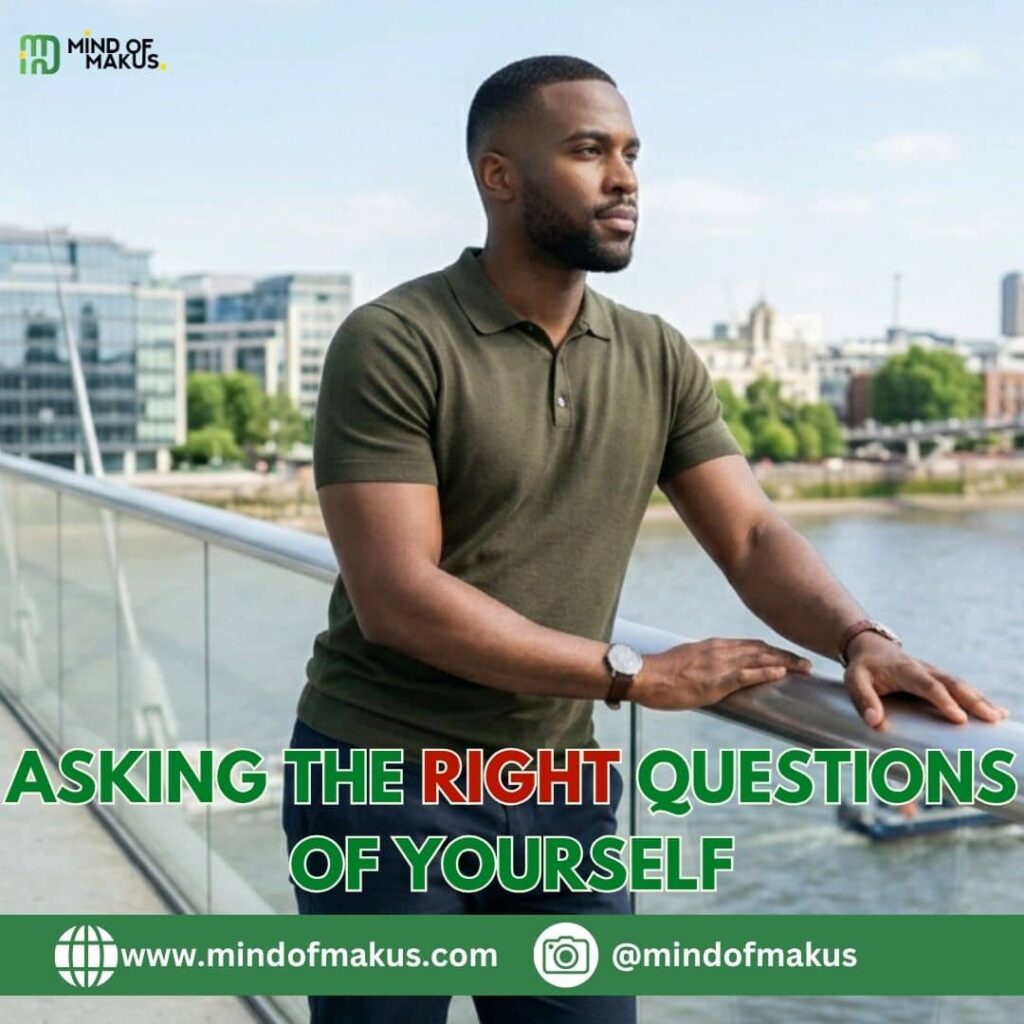
There is a quiet fear many people carry but rarely admit out loud—the fear that asking hard questions about faith somehow makes them weak, ungrateful, or even lost.
So they stay quiet, gently resistant, rebellious and confronting the divine with daily acts of rebellion.
They smile through sermons that don’t quite reach their confusion, nod along in conversations that feel too certain, and push down the thoughts that keep them awake at night, gently rising internally like dough that has been forgotten beyond its usefulness in the dark.
But what if having questions isn’t a sign of failure? What if it’s actually a sign that your faith is alive?
Every single person who followed Jesus, asked questions, dealt with crises of faith, and then negotiated those seasons in honesty, found a greater truth on the other side of asking him these questions directly.
Faith, at its core, is not meant to be a performance. It isn’t a perfectly scripted speech in which every line is memorised and delivered without hesitation.
Real faith breathes. It wrestles. It stretches. And sometimes, it trembles. Doubt often enters not because you’ve abandoned belief, but because you’re trying to understand it more deeply.
The doubt that causes leakages of strength, conviction and fulfilment, will be the one we hide in the deep recesses of our hearts. They slowly eat us up from the inside until we are completely dark on the side, although covered in pretty colours outside.
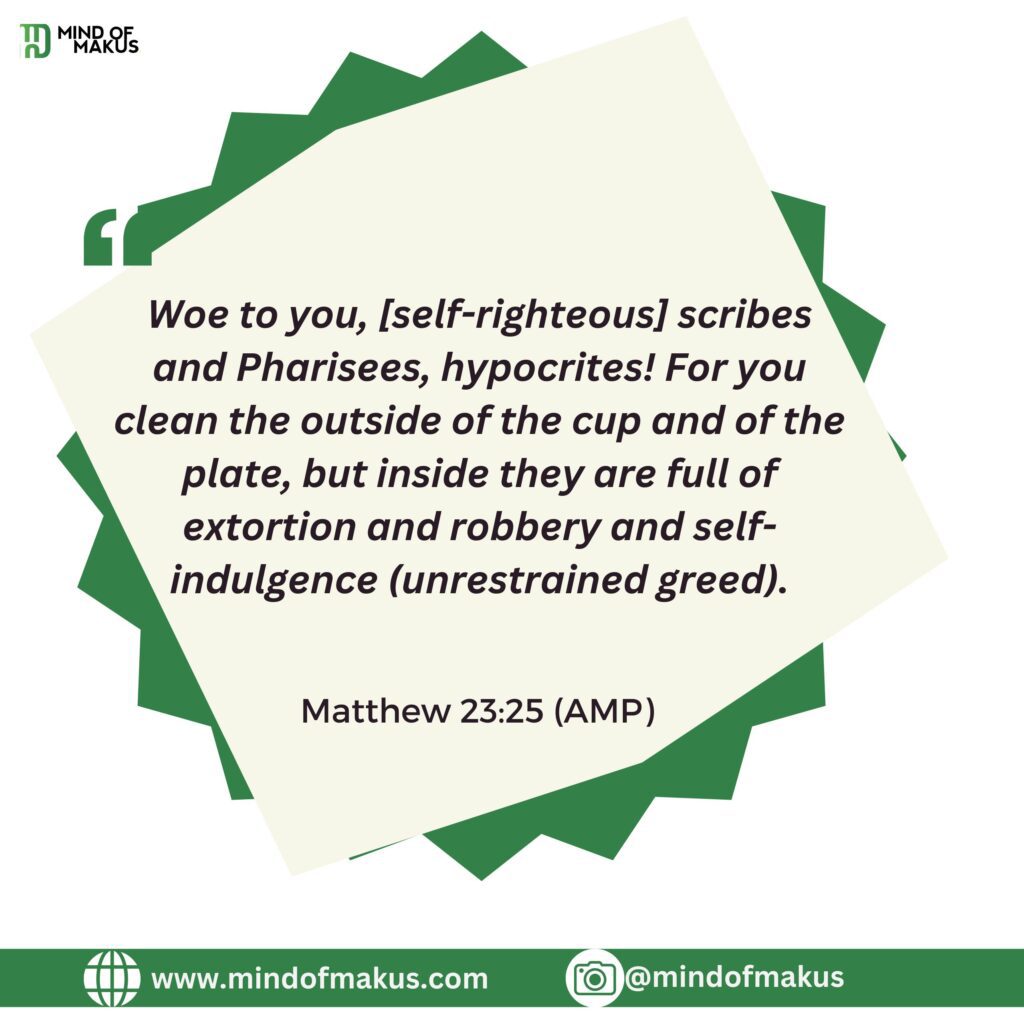
It is what is meant by the outward performance of religion, while inwardly soiled and dirty.
Many people are taught—directly or indirectly—that doubt is dangerous. That opens the door to distance from God. That it should be quickly shut down with more prayer, more scripture, more certainty.
And while spiritual practices are powerful, using them to silence honest emotions can quietly damage the very relationship they are meant to strengthen.
Because a relationship without honesty is not a relationship—it’s a performance.
Think about the closest relationships in your life. The ones that feel safe. The ones that last. They are not built on pretending. They are built on truth—messy, unfiltered, sometimes uncomfortable truth.
Shouldn’t your relationship with God hold that same depth?

Emotional honesty is not rebellion. It is courage. It is choosing to show up as you truly are, not as who you think you’re supposed to be.
When you allow yourself to acknowledge your doubts, your confusion, your anger, or even your disappointment, you are not breaking your faith—you are bringing it into the light where it can actually grow.
There’s a difference between turning away from faith and leaning into it with questions. Turning away says, “I’m done.”
And here’s something many people don’t realize: doubt has been part of faith stories for centuries. People have wrestled with silence, with unanswered prayers, with expectations that didn’t match reality.
They have asked, “Where are you?” and “Why is this happening?” and “Do you still see me?” These are not the words of people without faith—they are the cries of people who care deeply enough to ask.
Suppressing those questions doesn’t make them disappear. It only buries them deeper, where they often grow into resentment, guilt, or emotional distance. But when you permit yourself to bring them forward, something shifts.
The tension may not vanish overnight, but the weight becomes lighter because you’re no longer carrying it alone.
In fact, some of the deepest spiritual growth happens in seasons where nothing feels clear. Where prayers feel unanswered. Where beliefs are being stretched and reshaped.
These seasons are uncomfortable, yes—but they are also transformative. They strip away shallow understanding and invite you into something more personal, more real, more grounded.
A place that is so sacred, you don’t have words for weeks to explain it to anyone. Maybe even years. When we get there, there is usually only one person we meet there, and we rise totally different, transformed from the encounter, full of conviction and understanding that we are not adequate unto ourselves, but our sufficiency to be and do and exist is in God.
Permitting yourself to question also creates space for compassion—both for yourself and for others. When you stop judging your own doubts, you become less likely to judge someone else’s journey.
You become more humble and filled with gratitude for the challenges and broken road that led you there, because now you can be a deliverer of others who find themselves in that place, too.
You can stand as a witness and say that you survived that. So others can too, with your support and love. You begin to understand that faith is not a straight line. It’s a path with turns, pauses, and sometimes detours that lead to unexpected clarity.
There is no space for arrogance or revenge in this position; it is purely love and mercy-filled. If you find yourself in a place where you are looking for revenge or feel arrogantly wise, your healing is not complete. You will need some more time in the cooker. lol.
Subscribe to My Newsletter
When Silence Feels Safer Than Honesty
Sometimes, it’s not that people don’t have questions—it’s that they’ve learned it’s safer not to ask them. Maybe you grew up in a space where doubt was quickly corrected instead of gently explored.
Or you once opened up about a struggle and were met with responses that made you feel small, like “just have more faith” or “don’t think too much.”
I have been here, I have protected myself so much that I shut out the good and the bad and even allowed some bad to exist because the gates were so secure. It was difficult to evolve to ask for help, to learn, to be vulnerable and share a load.
I had learnt it wasn’t safe to do so early, just like many of you reading today.
So you learned to stay quiet. Your voice is stolen or weaponized for evil.

You sit in church or scroll through spiritual content, hearing words that sound right but don’t quite settle in your heart. And instead of raising your hand internally and saying, “Wait, I don’t understand this,” you push the thought aside.
You protect Jonah, sleeping in the lower deck of your boat, instead of throwing him overboard.
But silence doesn’t heal confusion—it only hides it, allows it to grow to catalytic proportions.
God is not afraid of your questions, criticisms and confusion; he already knows them. He only waits for you to come because the person who comes is usually ready to be educated.
Imagine going to a university you don’t have admission to, attending lectures and submitting assignments, and on graduation day, you don’t get a certificate, and you begin to make a scene.
That is how we expect God to just walk into our lives and access things without our permission. He gave us a choice for this reason, to be able to choose him.
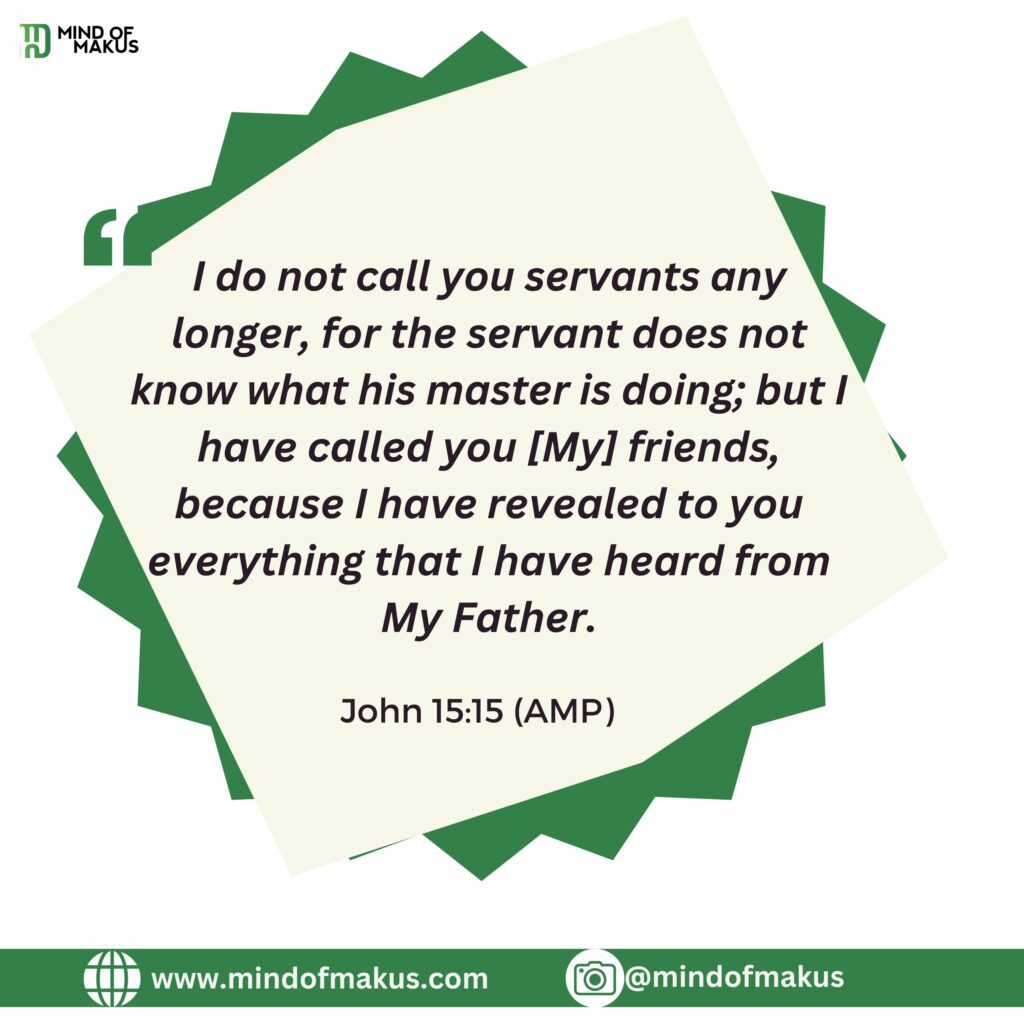
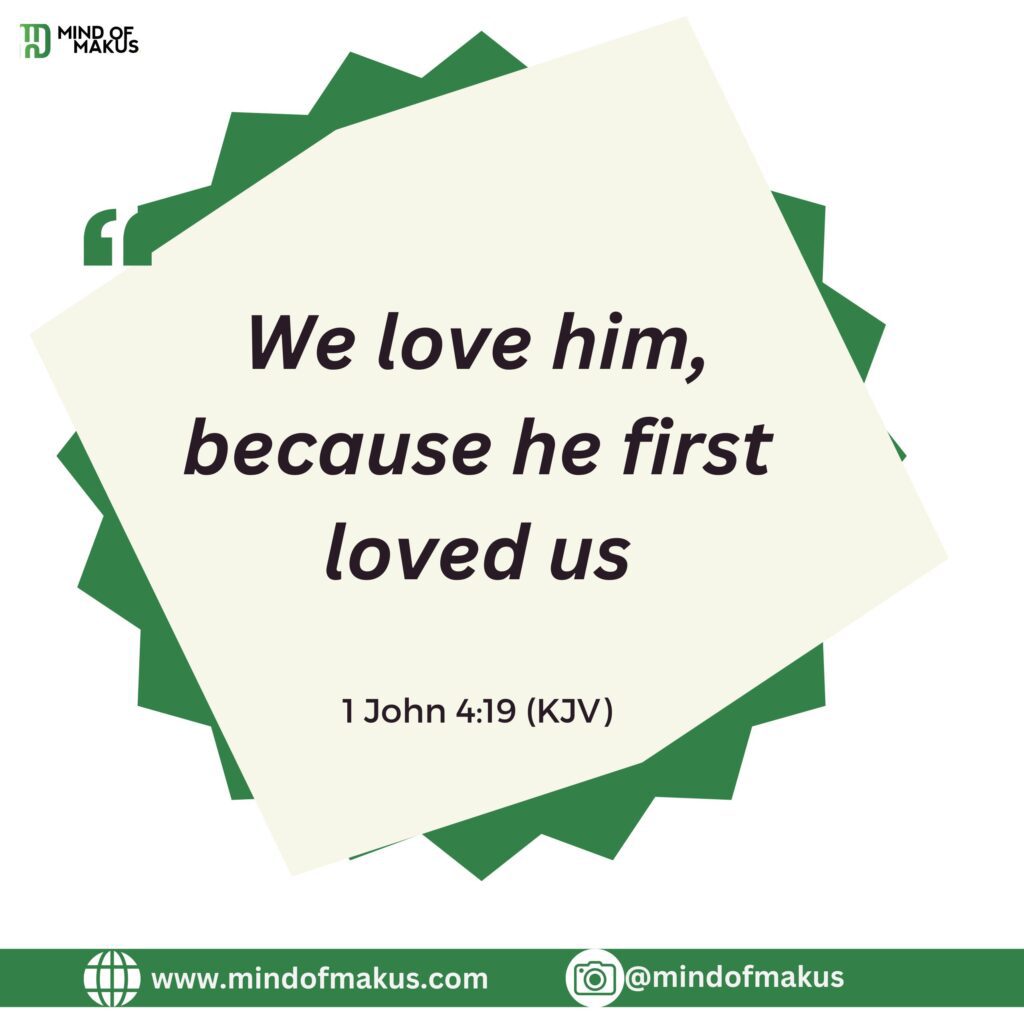
I want to be in this lovely relationship with him, always abiding, talking, questioning, debating and enjoying the work he gives us to do from that relationship.
What Honest Faith Actually Looks Like
Honest faith doesn’t always look polished. It doesn’t always sound confident or put-together. Sometimes, it sounds like, “God, I don’t understand why this is happening,” or “I thought things would turn out differently,” or even “I feel distant right now.”
And that’s okay.
Think about someone who has been praying for a job for months, maybe even years. They’ve fasted, trusted, and stayed hopeful—but nothing seems to change. At some point, a question naturally arises: “Did I do something wrong?” or “Are you even listening?”
Pretending those thoughts don’t exist doesn’t make them disappear. But expressing them honestly opens the door for a deeper kind of faith—one that isn’t built on outcomes, but on relationships.
The trust that is built from that is unshakeable. How do we build trust in relationships that haven’t been tested? What about your closest relationships? What qualifies a person to be trusted?
Honest faith says, “Even in this confusion, I’m still choosing to stay.”
The Emotional Weight of Pretending
There’s a quiet exhaustion that comes from pretending everything is fine when it isn’t. It’s the kind of tiredness that doesn’t come from physical work, but from emotional suppression from weights you weren’t meant to bear at all.
When you constantly filter your thoughts to sound “faith-filled,” you may slowly disconnect from your true feelings. And over time, that disconnection can spill into other areas of life—your relationships, your self-worth, even your sense of identity.
For example, someone might be going through a painful loss but feel pressured to respond with only spiritual clichés like “God knows best” or “I’m strong.” While those statements may hold truth, they can become a shield that blocks real healing if they’re used to avoid grief.
There goes Jonah again, sleeping soundly on your ship. Throw him out.
Emotional honesty would allow that same person to also say to God, “This hurts more than I expected,” or “I don’t understand why this happened.” And in that honesty, healing begins—not perfectly, but genuinely.

Questions as a Bridge, Not a Barrier
It’s easy to see questions as something that separates you from faith, but often, they are actually what bring you closer.
Questions force you to engage. They move you from passive belief to active seeking. Instead of simply accepting what you’ve always heard, you begin to explore what it truly means to you.
Someone who has always believed something because they were taught to, but never really examined it for themselves. When life challenges that belief—through hardship, disappointment, or unexpected experiences—they begin to question.
That moment can feel scary. But it can also be the beginning of a more grounded faith—one that is no longer borrowed, but personally understood.
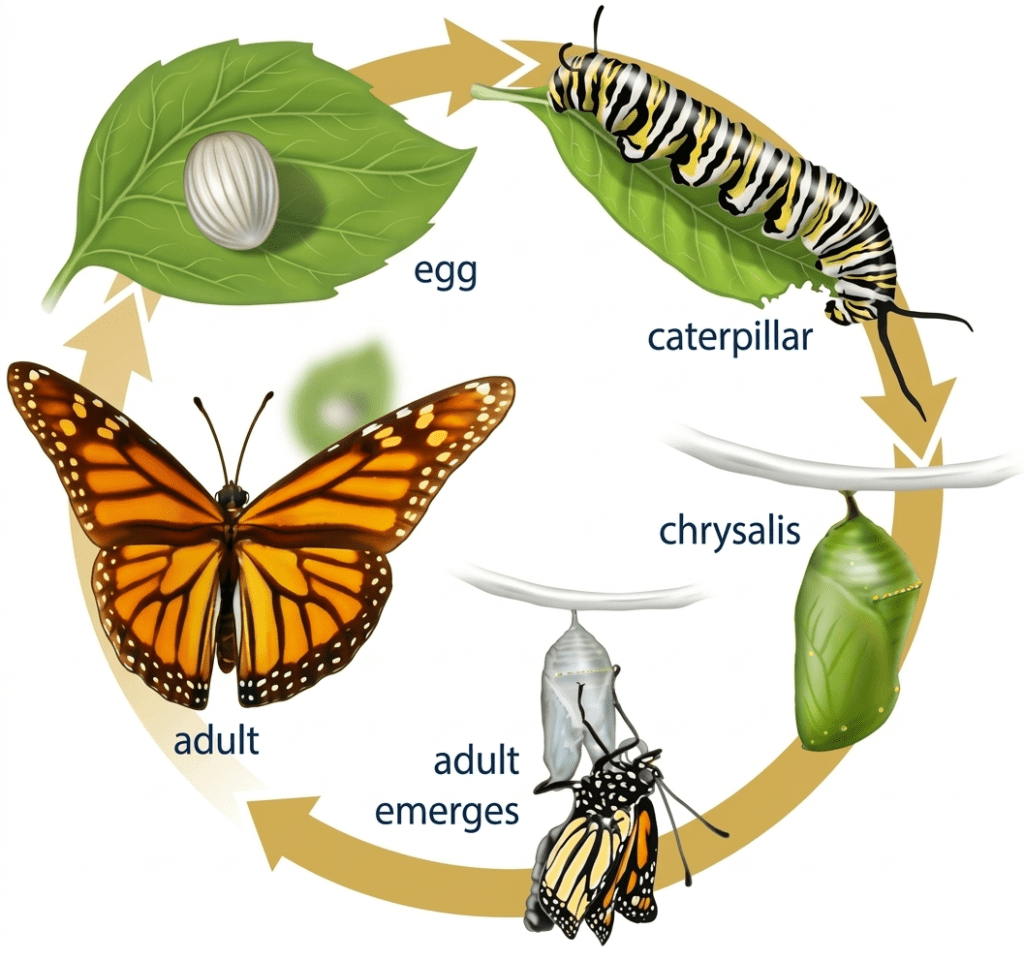
Questions don’t have to be the end of belief. They can be the beginning of ownership, conviction, transformation, the very thing that makes a puppa become a beautiful butterfly.
Creating Safe Spaces for Doubt
One of the most healing things you can experience is being in a space where you don’t have to edit your struggles. Where you can say what you’re really thinking without fear of judgment.
This could be a trusted friend, a mentor, or even a dedicated quiet moment alone with God, where you allow yourself to share your heart and get deeper insights without rushing to correct your feelings.
You can Support My Work
Abiding until the end- Matthew 24:13
To abide is to remain with sustained focus on a thing, allowing it to influence you, to act as life-giving sap, fostering a participation rather than an intellectual presence.
One of the most powerful choices you can make is to stay—not in a forced or pressured way, but in a quiet, honest commitment to keep showing up.
The abiding aspects of faith are learning to wait and listen until something changes inside you. In a way, learning to strip yourself of all your human inclinations to control outcomes, and learn to lean on the divine intelligence of God. It is hard.
Staying doesn’t mean you have all the answers. It doesn’t mean you feel strong every day. It simply means you haven’t closed the door.
It looks like still praying, even when the words feel unsure.
It looks like it is still reflecting, even when clarity feels far away.
It looks like saying, “I don’t fully understand this, but I’m willing to keep going.”
That kind of faith is not weak—it’s deeply resilient.
Until next time — stay joyful, stay growing, stay loving, stay whole.
With love and light,
Amaka.