Hello, dear friend,
How are you keeping? Staying true to the course you have set yourself on this year
Each year is made of small time capsules, accumulating second by second. Day by day. It is important what we spend our time doing, considering it like money to be spent.
We must be careful who, what, and where we invest our time this year. Our lives depend on this. Be conscious, dear friend.
Let’s refresh our memory on the kind of relationships that nourish our souls and help us achieve our purpose on earth, the ones that align with our big destiny.
What makes up a safe relationship?
Where do we draw the line between safety and danger?
How much can we really take before we leave?
What makes us leave?
Why is it so different for everyone?

Healthy relationships should feel like a place where you can take off your shoes, your wig, and gently exhale. Not necessarily perfect. Not conflict‑free. But steady enough that your nervous system isn’t constantly on alert. Yet one of the hardest things to name—especially in close relationships—is the difference between emotional safety and subtle manipulation.
It is not always clear what is acceptable, especially when we are emotionally tangled in strange dynamics we didn’t expect. The doubt, the confusion, and then the hope that everything will turn around again…. The hope that keeps us hooked just a little bit longer than necessary.
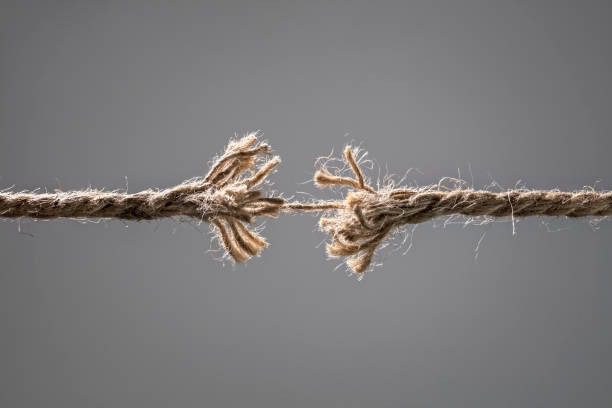
Unhealthy relationship dynamics rarely arrive loudly; they hardly come with all the alarms that they ideally should have to warn everyone, and therein lies the danger; no one sees it coming, least of all the victim. It doesn’t always look abusive.
In many cases, it wears the costume of care, concern, love, or “just being honest.” This is where many people get confused, doubt their own instincts and disregard moments that should have been triggers for further enquiry.
They sense something is off, but can’t quite explain why. They feel drained, second‑guess themselves, or slowly become smaller, changing small things about their personalities to fit into the mould that has been presented to them in the moment, slowly they fade away—yet nothing obviously wrong seems to be happening.
The social media posts are still going up, there are still lovely moments of connection, gifts are coming, occasional sprinkles of kindness and maybe the sex is fantabulous.

This post is an invitation to clarity. To help you notice what nourishes you versus what quietly erodes you.
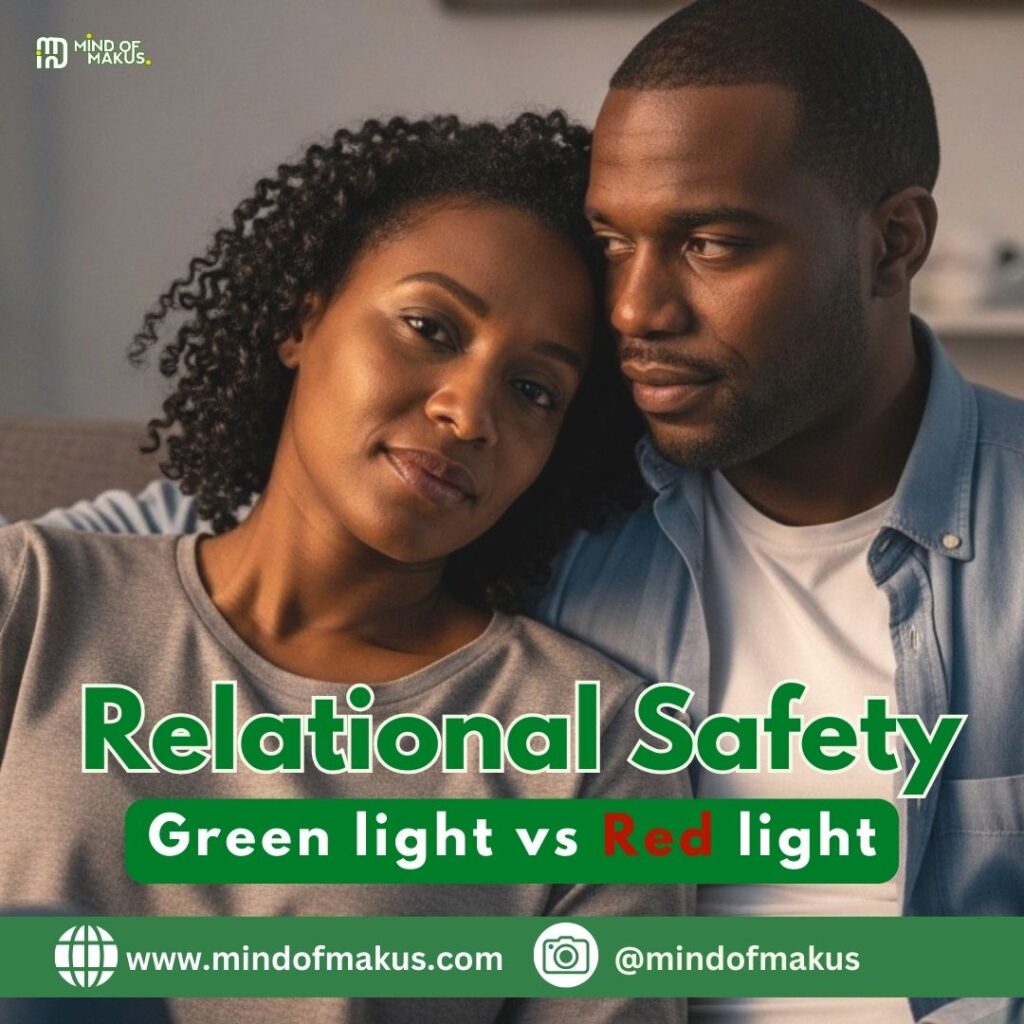
Green Light.
Emotional safety, this is not about always agreeing or never hurting each other. It’s about how repair, respect, and responsibility show up when things get hard.
Here are the green flags that signal emotional safety:
- You Are Allowed to Be Fully Human: In emotionally safe relationships, your feelings are not treated as inconveniences or threats. You can be tired without being called lazy. Upset without being labelled dramatic. Confused without being mocked.
Your emotions are acknowledged—even when they’re uncomfortable. There is a flexibility and dynamism that is expressed in love, even though it may not be welcome all the time.
- Discomfort Can Be Named Without Punishment: You can say, “That hurts me,” without fear of silence, rage, sarcasm, or withdrawal. There may be tension, yes—but not retaliation. That silent treatment that follows an uncomfortable discussion is a form of abuse; it is not a mature way to deal with conflict. It tells your partner that they are not welcome to share their pain or hurt in this relationship.
Some Nuggets
- Conflict leads to conversation, not control.
- Accountability exists without excuses when harm happens, and responsibility is not deflected.
- There’s no twisting of facts. No rewriting of events.
- No pressure for you to move on quickly, so things can feel comfortable again.
- Apologies include changed behaviour, not just words.
- Your Autonomy Is Respected: Your time, boundaries, friendships, faith, goals, and opinions are not subtly policed. Those subtle attempts to discredit your friendships, your career choice and your family… that’s not healthy.
- You are not made to feel guilty for saying no, resting, choosing differently, or growing.
Healthy love does not shrink you to keep itself secure.
Red Light.
It is a sad reality that sometimes bad things can happen to good people, for a myriad of reasons.
When we find ourselves in an unhealthy dynamic with people who are quite immature in relationships or outrightly evil, it may not always shout. Often, it whispers. It works slowly, reshaping how you see yourself, your needs, and reality. Creating a different person who you later realize is so different from who you set out to be.
Some character traits you will find in unhealthy relationships:
1. Expressed Feelings Are Reframed as the Problem: Instead of addressing the issue, the focus shifts to how you reacted. You’re told you’re too sensitive. Overthinking. Misinterpreting. Making things up. Over time, you stop trusting your emotional instincts.
Red sign: You leave conversations feeling confused, ashamed, or apologetic for feeling at all. God please🥺
2. Care Is Used as Control Manipulation: Often disguises itself as concern. “I just don’t think that friend is good for you.” “I’m saying this because I love you.”
“I know what’s best for you.”
The result? Your choices narrow. Your independence quietly erodes, all your support is gone, you are isolated, vulnerable, and codependent. God, please o.
Red sign: Love becomes conditional on obedience.
3. Warmth and Withdrawal Alternate without Explanation: Affection is given when you comply—and withheld when you don’t. This creates anxiety, not intimacy. You are constantly modifying yourself like a disco light to align with the constantly changing mood of your abuser. Lord, mercy please.
Red sign: You spend more time managing their moods than living your life. You never have any plans for yourself.
4. Accountability is avoided by using Complex Language: Sometimes, manipulation borrows language from faith, therapy, or morality. Forgiveness is rushed. Boundaries are labelled as unforgiving. Questioning is framed as rebellion, disrespect, or lack of love. God himself is love; no other standard is higher. He gave us a choice.
Red sign: You are pressured to silence yourself in the name of peace.

The Internal Test: What Does the Relationship Do to You?
One of the most revealing indicators isn’t what the other person says—it’s what happens inside you over time.
Ask yourself: Do I feel clearer or more confused after interactions? Am I growing in confidence or shrinking to avoid tension? Do I feel free to be honest, or constantly careful? Is my nervous system mostly calm—or always bracing? Am I living in alignment with my values, or do I feel like I am teetering on the edge of a cliff all the time, dangerous and unsteady?
Emotional safety brings steadiness. Manipulation breeds self‑doubt.
Why This Matters
I hope this doesn’t happen to you, and I pray that if you can relate to the above, you find the necessary tools to make a better choice going forward.
It is not your fault, even though you may have contributed by choosing this person for many reasons, maybe they even deceived you. It is not your fault, and you still have the power to change things.
There is no need to blame yourself. Yes, please pray, but only if you are serious about committing yourself to change when God gives you instructions.
Some people also try to communicate better, become more patient, more understanding, or quieter. But clarity is not cruelty. If your attempts to make things better lead to further cruelty, not joint working to a better future, pause, dear friend.
Naming unhealthy dynamics is not betrayal; you are allowed to want relationships that feel safe—not just impressive, intense, or spiritually justified.
The part of ourselves that craves drama and abuse is often the unhealed parts of our souls that require attention. If you still find yourself stuck, there is yet hope; seek good counsel and start doing the inner work.

Choosing Green
Sometimes red flags feel familiar because they mirror past environments. Green flags may feel boring at first—because your nervous system is unused to peace.
I remember finding my then-boyfriend quite boring and too predictable, just because I had been conditioned to mistrust men and expect disappointment. He was such a lovely man, but I couldn’t see it. I kept waiting for the mess-up part to drop, but it didn’t.
I worked on myself, and God helped me to see beyond the boring, to the gift he had presented me. A man like none I had ever met.

Emotional safety teaches you that:
- You don’t have to disappear to be loved.
- You don’t have to earn care by enduring harm.
- You don’t have to doubt yourself to keep a relationship alive.
You are worthy of a healthy and peaceful love. You were wonderfully made by God and put in the world at this time because God thought it was necessary; you were necessary.
You can Support My Work
He had a plan for you before you were formed in your mother’s womb. He knows you, he loves you, and he is the standard of love. Take your marching orders for a loving relationship from God alone. Elevate my dear friend. Love is here.
Until next time — stay warm, stay growing, stay loving, stay whole.
With love and light,
Amaka.