
Hello dear friend,
How are you? The year is off to a beautiful start, isn’t it?
There are a lot of events going on around us, with people starting new habits and setting goals. I wonder how you fit into all these.
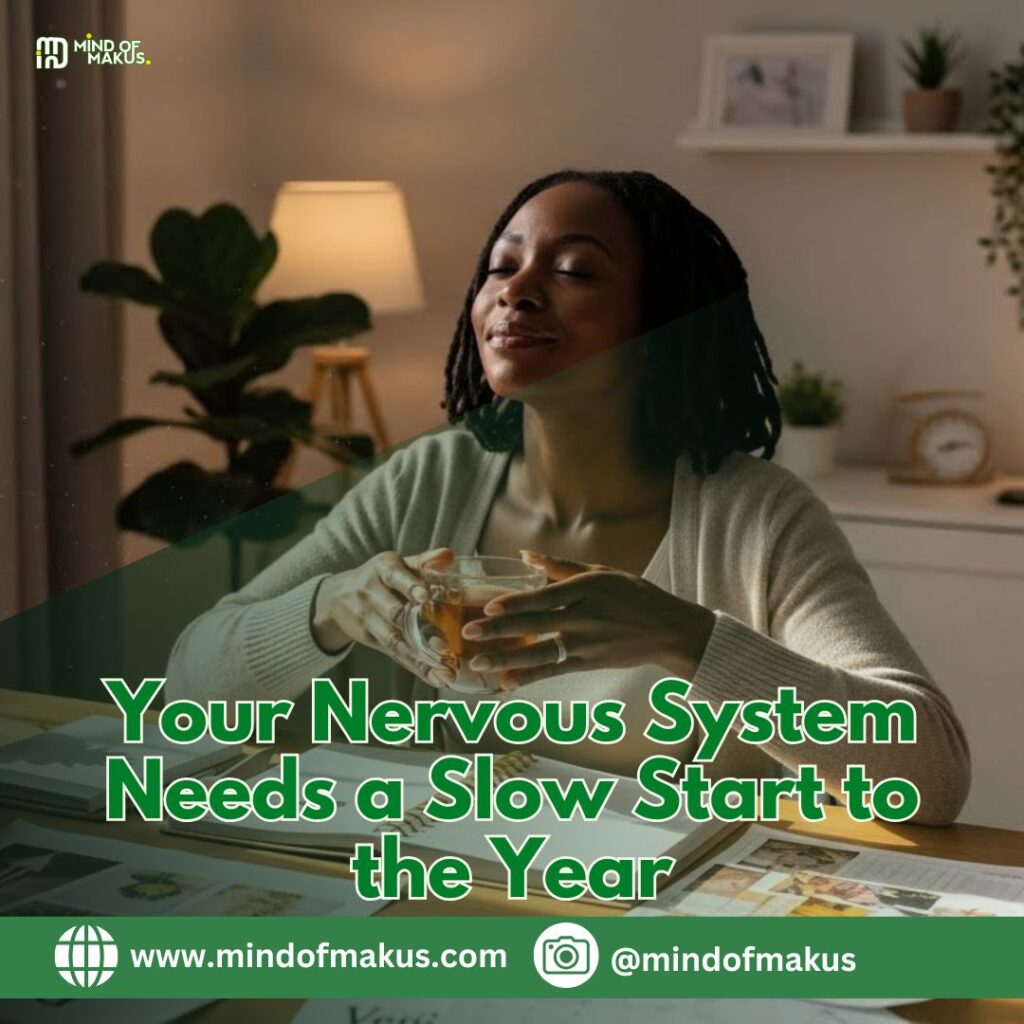
Gravity exists for a good reason; however, you also exist for good reasons. Don’t always hit the ground running, my friends. What we see is a cultural push to overproduce and overstimulate ourselves at the start of the year.
Resist the urge to go along with everything you see going around, pause, and check with yourself what your own needs are. What your spirit is saying, and take it from there.
A few years ago, I would attend vision boarding exercises and find myself just drifting away in the activities and picking things that seemed a bit frivolous and unnecessary, such as spending time outdoors, learning to sew, etc. I remember being shy of the comparison that came when we were asked to share with others at the table.

Our world in these times tells us to set ambitious goals, overhaul routines, and become instantly productive. We try, fail, and then become discouraged, self-hating, envious, and lethargic from exhaustion halfway through the year.
That will not happen this year, my dear.
Listen.
Calendars change, dates change, organisations create new templates, but your body doesn’t reset overnight; more specifically, your nervous system doesn’t really do well with fast moves; it takes time to build those neural pathways that support healthy habits and new learning.
When we force it and cram a lot of change into a short time, we inadvertently tell our body that there is an emergency, so it fires all its emergency stores to support us.
Unfortunately, these stores have a short-term supply and don’t perform well when needed for longer periods. This is why we cannot sustain such changes over time and feel that frustration and lethargy that sets in a few weeks.
Think about the year like training for a marathon… What would you do first? Maybe clean up diet, start taking long walks, increase distance, start jogging, increase speed, and train with others. Stepwise.
So at the start of the year, take it slow, stack good habits, increase consistency and deepen expertise at the few things you are doing instead of spreading yourself thin.
My friend A splits her year into quarters and has goals for each quarter, ensuring she has a rest portion of each quarter, too. I love it especially for someone who has flexible working and creative control over her work schedule.
Do you consider this at the start of the year? Creating your own way of working and resting for the year.
This year, I am working actively to become more conscious of my own inner state, and this requires slowing down and a lot of observation of self and surroundings. It is very difficult when the world glorifies speed of response and output.
For me, this journey will be an active resistance against the spirit of the times we live in, and I look forward to learning more about what a slower pace brings my way. I have said no to some projects already that I would otherwise have jumped at.
Starting the year slowly isn’t laziness or a lack of motivation; on the contrary, it is a more mindful way to ensure that energy is distributed where it is needed and to reduce the waste of effort and energy. It’s a practical, science-backed way to build energy, focus, and sustainable progress for the months ahead.
I hope we reach the end of the year with a more balanced, fulfilled experience of the year where we slowed down, showed gratitude, learnt about God, respected one another, revered the natural world and raised the standard of living.

Your nervous system is your body’s control center. It regulates how you respond to stress, manage emotions, sleep, digest food, and even think clearly.
When it perceives threat, danger, or constant pressure, it triggers a “fight-or-flight” response, keeping you alert but tense. In many cases, the threat is coming from you and the way you live your life, the pressures you put on yourself, and the expectations you have from the world within which you exist.

Signs You Need to Slow Down
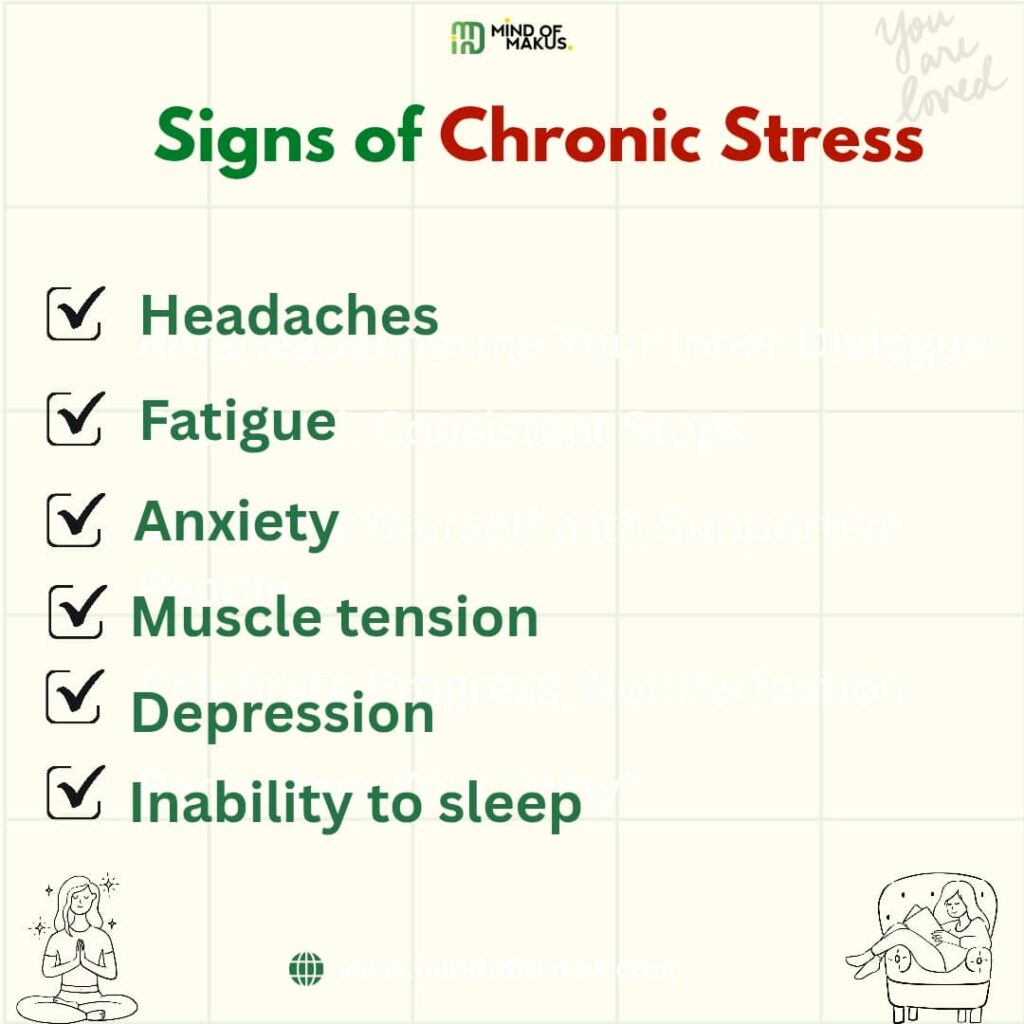
They are often in the little things before they become big things. The frown that doesn’t leave the headache, the tense shoulder that never comes down, the stiff back, the pain everywhere in the body, the irritable bowel…..
Some common signs include:
- Feeling tired even after a full night’s sleep
- Difficulty focusing or staying consistent with tasks
- Heightened irritability or emotional sensitivity
- A constant sense of urgency with no clear direction
- Trouble maintaining routines you normally enjoy
These aren’t weaknesses—they are your body’s way of asking for restoration. Listening now sets the foundation for the entire year.
“Starting Strong” Can Backfire
When the nervous system is overstimulated, adding strict routines, packed schedules, or multiple goals can increase stress instead of motivation. It is first necessary to check what reserves are available from which you can make the plans. Don’t go jumping in and going full steam commiting to many projects within a short time.
For example, suddenly waking up at 5 a.m. after weeks of late nights or cramming your schedule with back-to-back commitments can make you feel drained, frustrated and even unwell.
Without some boundaries around your priorities, early efforts often collapse by February—or even sooner.
A Slow and Steady Beginning
Show yourself some kindness and compassion, reach in deep, and create the life that only you crave. Try to stop yourself from being dragged into other people’s ideals of what you should be doing, rather than what you want to do.
When your body feels safe and supported, clarity improves, emotions stabilize, and energy becomes consistent. Investing in a lifestyle that keeps your nervous system balanced means that even small actions have a greater effect because your body and mind are fully present to execute them.
Moving at a slower, intentional pace gives your body a chance to repair and restore. Breathing becomes deeper, muscles release tension, and the brain processes information more effectively.
It’s the little things, like creating a slower morning and evening routine that doesn’t involve rushing. Praying mindfully and meditating on Scripture instead of scrolling social media, letting unexpected calls go unanswered, delegating accordingly, empowering others to help you, reducing your activities and errands to support a more streamlined day, having a 5-minute buffer to stretch between MSTeams meetings, going for a walk during lunch or sitting outdoors.

In this state, emotional regulation improves, decision-making becomes clearer, and resilience increases. Essentially, slowing down allows your nervous system to work with you, rather than against you.
Practical Ways to Start the Year Slowly
Here’s how to make a slow start, both practical and effective:
- Simplify Your Daily Routine
Keep predictable anchors—wake up and sleep at consistent times, eat regular meals, and establish simple daily habits. This signals safety to your nervous system. - Set Fewer Priorities
Instead of multiple resolutions, focus on one or two supportive habits. Prioritize rest, mental clarity, or physical well-being before tackling bigger goals. - Create Space in Your Schedule
Leave gaps in your calendar for recovery, reflection, or unplanned moments. Avoid back-to-back commitments that maintain constant urgency. - Mind Your Mornings
Begin each day without rushing or immediately jumping into screens and tasks. Gentle practices like journaling, stretching, or a short walk can set a calm tone. - Observe Before You Optimize
Use the early weeks to notice what drains or restores your energy. This awareness helps you make more intentional decisions when you are ready to increase activity.
You can Support My Work
The Myth of Falling Behind
Many people fear that slowing down means losing momentum. The truth is the opposite: momentum built from stability lasts longer than momentum built from pressure.
Rushing while overscheduling yourself leads to inconsistency, burnout, and frustration. Slowing down ensures that your energy, focus, and motivation last—not just in January, but throughout the year.
A slow start is an act of self-respect. It honours the way your body works, allowing clarity, resilience, and creativity to emerge naturally. You do not need to rush to prove readiness for the year ahead. By starting slow, you are building a foundation for consistent progress, better decision-making, and sustainable growth.
This year, allow yourself to arrive fully. From that place, everything you build will be stronger, steadier, and more meaningful.
Until next time — stay warm, stay growing, stay loving, stay whole.
With love and light,
Amaka.