
Hello, dear friend,
I hope you are well today, and you had a good week? I find myself navigating life’s ups and downs and somehow still managing to do a few extras here and there.
I had such an enthusiastic medical student with me today in my clinic, and it just reminded me what a privilege it is to be able to keep moving, even when life is not as easy as we would like.
To be honest. Whoever grew from ease? The most growth a person will record will often come from challenges that strengthen them or make them look outside themselves for help.

Life can sometimes move so quickly that we hardly give ourselves space to acknowledge how we truly feel. We keep going—working, caring for others, responding to messages, completing tasks—while our hearts quietly carry things that are difficult to explain.
Things we may not even have the words for in our vocabulary. How do you say you are heartbroken for a friend you haven’t seen in 20 years? How do you say you miss the very person who broke your heart into multiple pieces by abusing you?
How do you say you want to open your home again to the very person who put you in unimaginable debt? How?
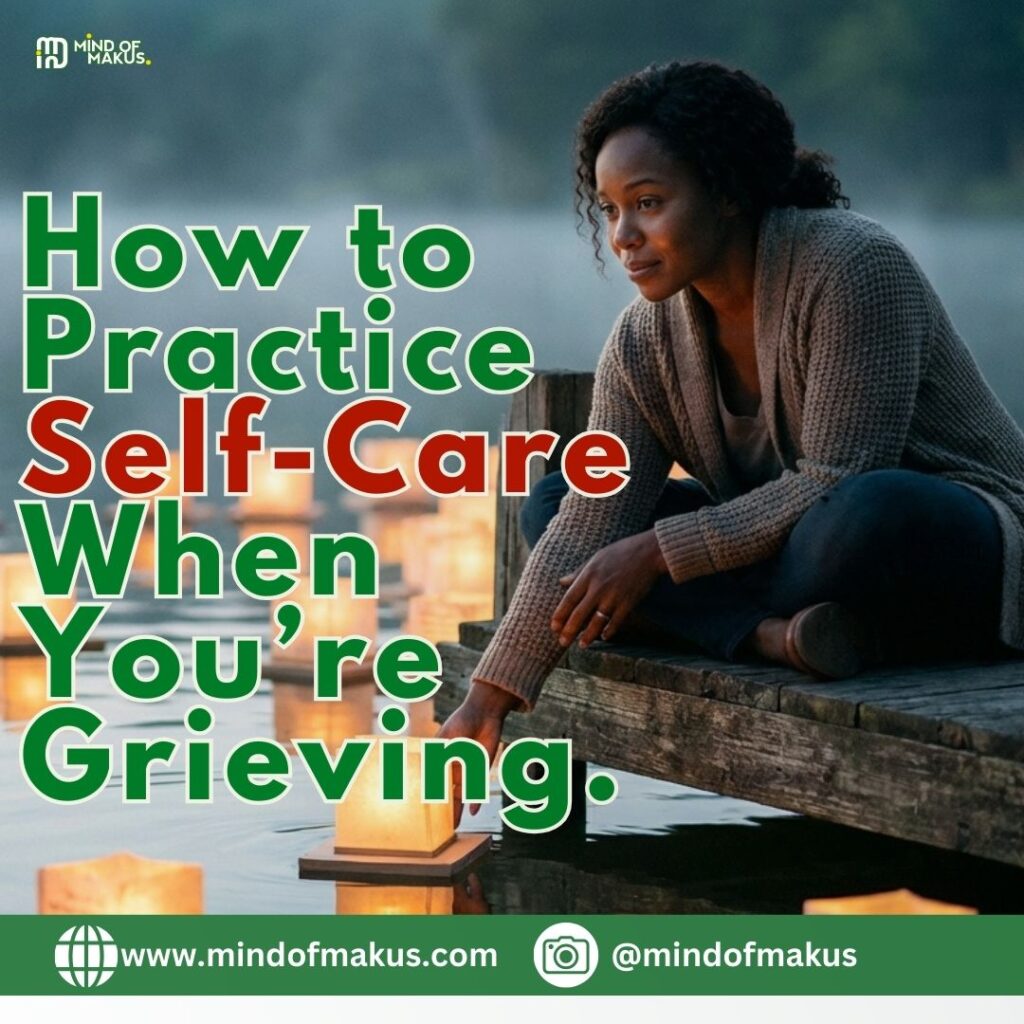
Grief does not always show itself through tears. Sometimes it appears as silence within the heart. Sometimes it comes as emotional exhaustion, disconnection, or numbness.
It can follow the loss of a loved one, the end of a relationship, a personal failure, a traumatic event, or even a season of overwhelming stress.
You might wake up and go through your day functioning on autopilot. You may struggle to focus, forget simple things, or feel disconnected from people and activities that once meant a lot to you.
And in those moments, many people begin to worry: “Why do I feel nothing?” or “What is wrong with me?”
But the truth is this: numbness is also a form of grief.
When the heart has carried too much pain, the mind sometimes protects us by temporarily shutting down overwhelming emotions. It is not a weakness. It is not a failure. It is simply the mind’s way of coping when things feel too heavy to process all at once.
During such seasons, self-care is not about being productive or fixing yourself. It is about gently supporting your heart while it heals.

Gentle Acceptance
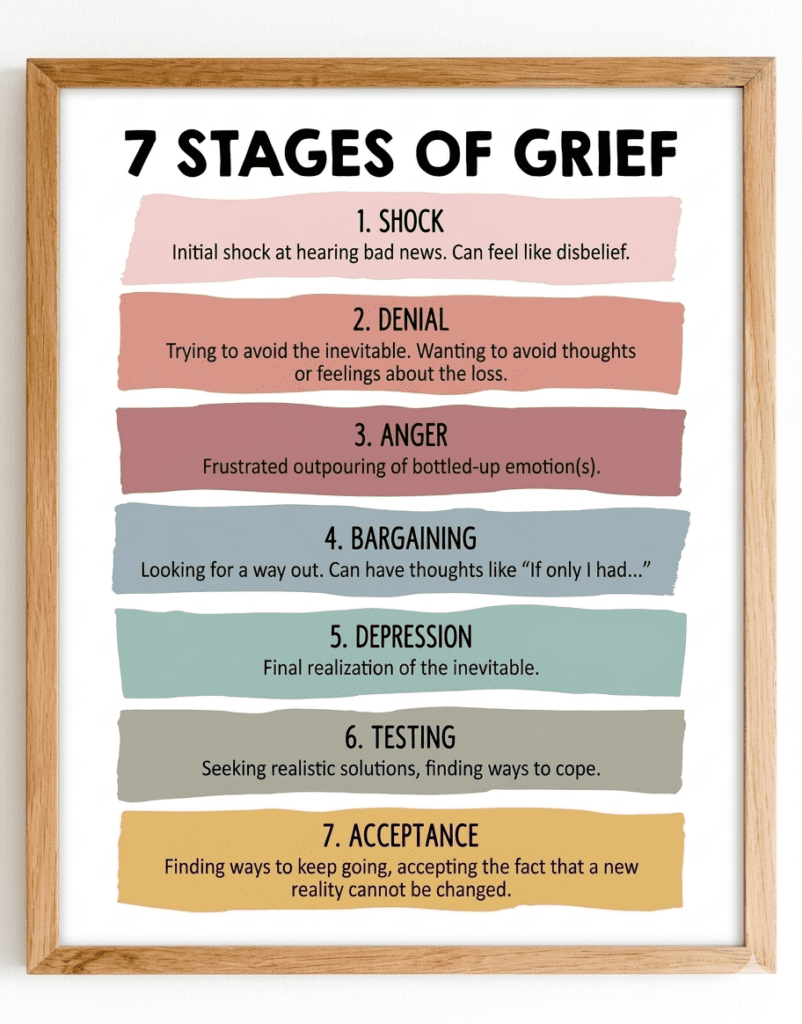
Grief rarely follows a neat emotional pattern. One day you might feel deep sadness, another day anger, and sometimes nothing at all. All that is needed is some awareness that it’s not meant to fit into any box.
Many people expect grief to look like constant crying, but that is actually expecting grief to be uniform across cultures, circumstances and personalities; it simply isn’t true or possible.
A good number of people can relate to just feeling numb. After a painful loss, a difficult life change, or prolonged stress, the mind can become emotionally exhausted.
- A woman who loses a parent might cry deeply for weeks, then suddenly feel emotionally blank.
- Someone who experienced a painful breakup may feel relieved one day and deeply lonely the next.
- A person caring for a sick loved one may move through daily responsibilities without feeling anything until months later.
I remember feeling flat for weeks after my dad died suddenly, one minute I was a University student, the next minute I was planning a funeral and shaving my head myself before someone used it as a sadistic move to break my spirit.
I was numb, and it was a protective shell devised to keep my core safe from the assault I knew could happen in a system that doesn’t prioritise my safety.
These emotional shifts do not mean we are healing incorrectly; there is actually no correct way to heal. There is a progressive way that is laced with truth and grace. Our mind and body are trying to process a difficult experience in small, manageable pieces.
Self-care begins with allowing your emotions to exist without judging them. You do not need to force yourself to feel something. Healing does not happen on a schedule.

Gentle Daily Routines
When grief is heavy, even simple tasks can feel overwhelming, yet we can also become suddenly very busy with a million things that need to be planned and executed in a few weeks.
Juggling many expectations about how we should be, what we should do and who should have access to us or not. Activities like cooking, showering, or responding to messages may require far more energy than usual.
Instead of pressuring yourself to return to your “normal” productivity, pause, if you can, take some time for yourself and consider what you might need rather than rushing into doing things on autopilot. Focus on very small daily routines.
Give these a try:
- Drinking a glass of water when you wake up
- Taking a short walk outside
- Preparing a simple meal regularly
- Open the windows to let in fresh air
- Stretch your body for a few minutes
These small actions might seem insignificant, but they help signal to your body that life is still moving forward. Routine provides a sense of stability during emotional chaos.
Self-care during grief is not about accomplishing big goals. Sometimes it simply means getting through the day with gentleness toward yourself.
Pockets of Rest
Going through grief is physically exhausting; the toll it takes on the body is astonishing. Many people underestimate how much emotional pain drains the body.
You might notice:
- Difficulty concentrating
- Sudden fatigue/Irritability
- Headaches or body aches
- Trouble sleeping
- Loss of appetite
These responses are normal because grief affects both the mind and the body. Self-care may mean allowing yourself to rest more than usual.

Take breaks. Lie down. Step away from responsibilities when possible. Avoid pushing yourself to maintain the same energy levels you had before the loss or emotional shock.
I would advise getting ahead of it, take time and update your colleagues, adjust your work hours to suit you, you may need short breaks during work hours, or time for yourself after the family has settled down for that night.
Rest is not laziness. Rest is part of healing.
Stay Connected
When people feel numb or deeply sad, they often withdraw, and because the world has become very individualised recently, we let them. We think about them and excuse it by saying “ maybe they want to be left alone”, “maybe they are busy”, etc.
Social interaction can feel exhausting at such times, and explaining your emotions may feel impossible.
However, a gentle connection with others can be an important form of self-care.
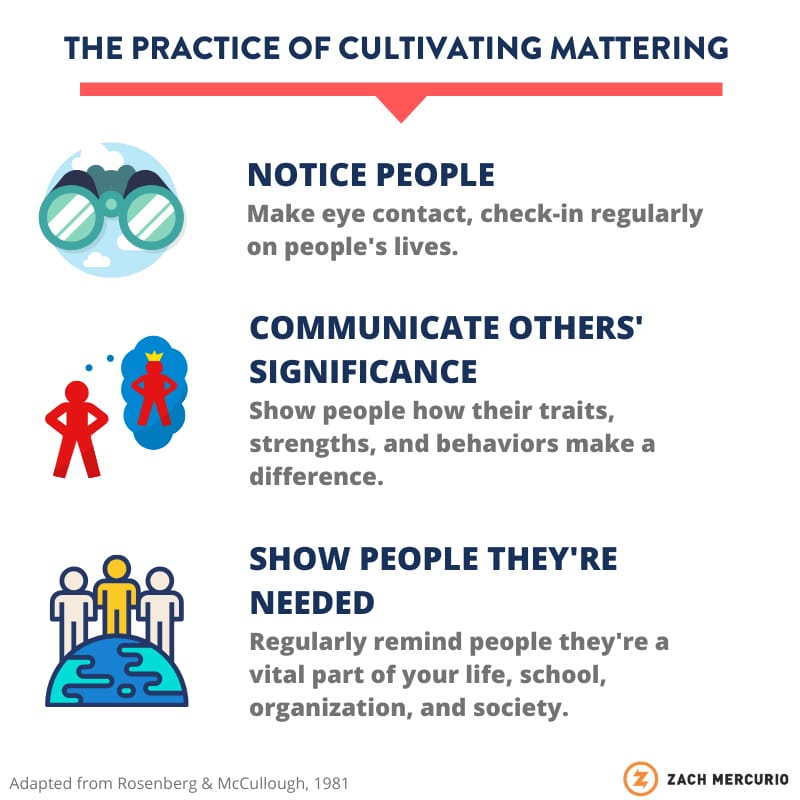
Meaningful connection is so important for healing. Connection with people who see you, who make you feel safe, who can let you relax and heal without judgment.
Sometimes it can look like:
- Sitting quietly with a trusted friend
- Sending a simple text message
- Attending a small, safe gathering
- Having tea with a family member
- Spending time with someone who makes you feel safe
A grieving person might not feel ready to talk about their loss or pain, but simply sitting beside a friend while watching a movie can bring comfort and peace. Human presence reminds us that we are not alone in our pain.
It is important for us to feel seen, witnessed, and to know that we matter. It is.
Express What You Feel in Safe Ways
Even when you feel numb, there may still be emotions beneath the surface that need gentle expression.
You can express grief in many ways, such as:
- Writing: Journaling about your thoughts, memories, or frustrations can release emotional pressure.
- Creative expression: Drawing, music, poetry, or crafting can help communicate feelings that words cannot easily explain.
- Prayer or meditation: Many people find comfort in quiet spiritual reflection during painful seasons.
- Talking to a counsellor or trusted person: Sometimes speaking openly with someone who listens without judgment can bring unexpected relief.
- Learning a new comforting hobby, crafts, crochet, sewing, gardening, hiking, etc
Expression allows grief to move through the heart rather than becoming trapped inside it.
Be Patient with Your Healing
One of the most harmful pressures grieving people face is the expectation to “move on”, but grief does not disappear quickly. It changes shape over time.
I recently had the privilege to watch someone grieve the loss of her husband, and oh what a privilege to see how gently she let herself move through it, the wild ride and the tight curves, the slow ebbs, the deeply entrenched memories she shared.
What a privilege to love and live so deeply that the grief is so raw to see.
In the early stages, pain may feel overwhelming. Later, it may appear in waves triggered by memories, places, or anniversaries. Sometimes it resurfaces unexpectedly years later. It doesn’t go away; it is the price we pay for loving.
Healing does not mean forgetting; it means learning how to carry the memory without being crushed by the weight of it.
Supporting Yourself
The skill of being an advocate for yourself is something we all must learn early and build quickly, for days like this. I would suggest you have a few phone numbers you can call to find evidence-based help.
Life can become so heavy that professional support is necessary for clarity, for progress, for an objective perspective. Get ahead of the curve, reach out for help early to save you a deeper, darker climb back up. Speaking with a therapist or counsellor can be helpful.
You can Support My Work
Professional support can help people:
- Understand complicated grief
- Process trauma
- Learn emotional coping tools
- Reconnect with life after loss
Seeking help is not a sign of weakness. It is a courageous step toward healing.
Final Thoughts
If you are grieving or feeling emotionally numb, please remember this:
You are not broken.
You are not failing at life.
You are responding to pain in the only way your heart currently knows how.
Self-care during grief is not about being strong or “getting over it.” It is about being gentle with yourself while healing happens slowly beneath the surface.
Some days, the best thing you can do is breathe, drink water, and make it through the day.
And that is enough.
Because even in the quiet, heavy moments of grief, healing is still taking place — one small step at a time.
Until next time — stay warm, stay growing, stay loving, stay whole.
With love and light,
Amaka.