
Hello dear friend,
I hope you are well? Are you keeping in step with your plans for the year? You remember how we spoke about just having one word to anchor you when you feel the winds of life blowing. Thinking about that word now, and doing a bit of an audit on how many times you have reached for it in the last 8 weeks.
Keep a record of the circumstances that destabilise your calm and peace. Create a sustainable way to manage those times. For many of us, faith is a key anchor, but even within faith, we must have the one thing, the one verse, the one story, the one narrative we hold on to.
In honour of yourself and your personal development, try not to derail from the path that leads to life. Ask God for help.
Let’s go on a bit this month and consider my favourite thing, self-care, in the simplest yet complex and even hard ways.

You know how people talk about “being in tune with your body” like it’s this mystical thing reserved for wellness influencers with matching pyjama sets and sunrise yoga photos? Meanwhile, you’re just trying to get through the week without feeling like you’ve been run over by a truck, with your sanity intact.
Despair not, it is our nature to be in tune. The things that cause us to be out of tune, often have to do with our lack of attention to ourselves. We can fix that. This blog is for the version of you that notices your flows and ebbs. “Some days I can conquer the world. Other days, brushing my teeth feels like a group project.” This isn’t laziness. It’s data. And you’re allowed to build your self‑care around that data.

Self‑Care That Flows
Consider a regular day where you are aceing it all and doing lots of projects or meetings, you get to the end of the day and eventually realise you can’t even speak when you get home, you are worn out, so much so that you skip dinner and crash on the couch.
Yes, you did all the things you needed to do today, but at what cost? What did you lose as a result of going 120 per cent, where a steady 70 per cent would have been adequate?
We have many drivers in our internal world that push us to overproduce in certain areas while feeling it is ok underproduce in others. The balance is where people differ in lifestyle. The things we value and the meanings they hold for each of us are so different, yet the same age old formulars for health have existed since the beginning of time.
We have considered a good enough routine last year, and I am bringing it back for some consideration. Your minimum deliverable to yourself, no matter what is happening, what makes the list?
A “good enough” routine is one that survives chaos and honours your capacity, not one that demands you be a robot. In the same way, a self‑care rhythm built around your hormonal or energy cycles and your senses is not about doing more; it’s about doing the right things at the right time.
Instead of asking, “How do I keep up with this perfect routine?”, you start asking, “Given the kind of day my body and brain are having, what kind of care makes sense right now?”
You move from fighting yourself to walking with yourself. Yaaaaasssss!!!!!!

Step 1: Notice Your Natural Waves- Track it
I have a lovely friend whom I admire for how she plans and manages her work life and personal life. She’s one of my favourite, if not favourite, people to discuss self-care with because she just gets how fundamental it is.
Topsy, take your flowers.
After a busy week, she would book herself a rest day, a shopping/restaurant meal day, and, if possible, a pamper day. What a refreshing thing to witness in a world where people dismiss rest and care as if it doesn’t matter.
She embodies a rich life in which her priorities are clearly defined, and she is not at the bottom of that list. It makes me want to dance and sing when I hear these types of plans.
It would be different for everyone, I understand, but still, can you see how clearly your self-care can be built into a lifestyle rhythm?
Pause, breathe, put down the heaviness in your heart and just breathe. You can start today.
Before you change anything, you need to notice what already happens.
For many people, energy doesn’t stay flat through the month or even through the week. You may notice:
- Times when your thoughts are clearer, and you feel more social
- Times when you are easily overstimulated and just want everyone to be quiet
- Days when your body feels heavy and clumsy for no obvious reason
- A specific time of day when you always crash
If you menstruate, your hormonal cycle may mean you have weeks when you feel more outgoing and energetic, and weeks when you feel slower, more sensitive, or emotionally raw. If you don’t menstruate, you still have rhythms: sleep quality, stress, work intensity, spiritual or emotional seasons.
For the next two weeks, simply track:
- Morning, afternoon, evening energy (low, medium, high)
- Mood (steady, wobbly, easily irritated, numb)
- Sensitivity (to noise, smells, screens, people)
You’re not judging yourself. You’re collecting clues. My therapist, some time ago, told me to just put a number on a scale of 1 -10. If this works for you, try it. 3 times a day, note down a number or a word; if you have capacity, write more.
Step 2: Where are you? (Today, Not In Theory)
Self‑care rhythms fall apart when they are designed for your imaginary life, not your actual life. On paper, maybe you’d love a two‑hour morning routine with journaling, Pilates, skincare, and a green smoothie.
In reality, you are negotiating with your alarm clock, a partner who is unsupportive, children who don’t like their breakfast, and the neighbourhood generator.
So ask yourself each morning:
- What season am I in today?
- Do I feel like I’m in a high‑energy, building season, or a low‑energy, gentle season?
- Is my heart tender? Is my nervous system tense?
Your answer doesn’t have to be poetic. It can be as simple as: “Today feels heavy but not impossible” or “Today I have brain power but not social energy.”
That honest sentence is what your self‑care should respond to. It gives you an idea of how to negotiate your outgoings for the day.
Step 3: Match Your Care to Your Capacity
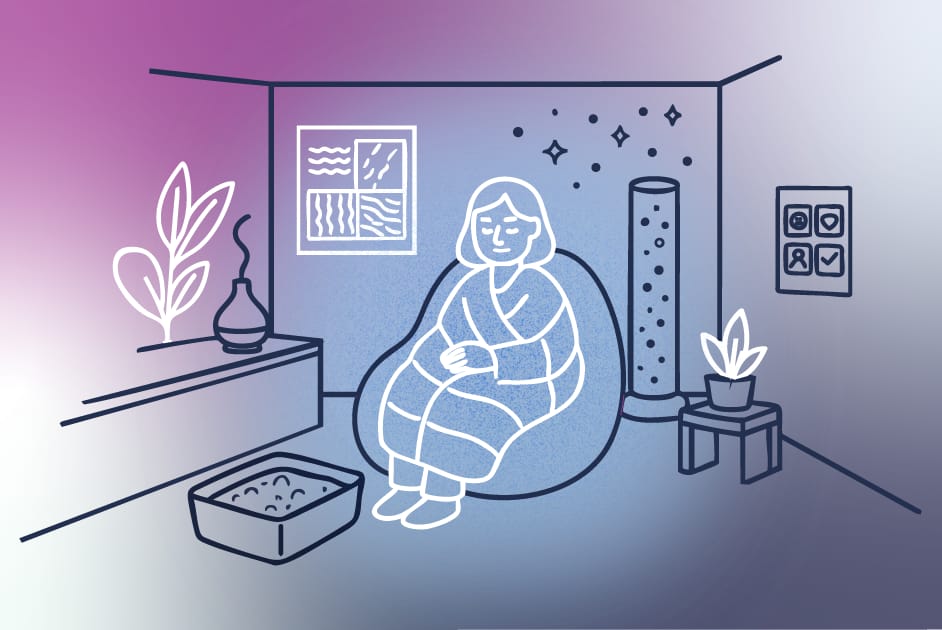
Here is where we bring in the senses: sight, sound, smell, touch, taste.
Think of your senses as doorways back to regulation and comfort. You don’t always have the energy for deep emotional work. But you might have energy to change what you see, hear, smell, feel, or taste for five minutes.
On low days, I personally dress brighter and wear my favourite fragrances; it’s a game-changer.
When your energy is HIGH (you feel focused, motivated, or restless):
- Sight: Tidy one small area you see often (your desk, bedside table), use a brighter light to signal “it’s go time.”
- Sound: Play energising but not overwhelming music, or instrumental beats that help you channel your focus. Cindy Trimms prayers on YouTube will fire you up in your spirit.
- Smell: Choose a scent that helps you feel awake and clear (mint, citrus, eucalyptus).
- Touch: Do something active—stretching, a brisk walk, or a few minutes of dancing while you do chores. Wear fabric that isn’t heavy on you but comfortable and freeing. Not a time to wear tight clothes.
- Taste: Eat something grounding and nourishing, not just coffee on an empty stomach; have a salad before your carbs, and eat lots of fruits.
When your energy is LOW (you feel fragile, foggy, or overstimulated):
- Sight: Dim the lights and keep them warm, close extra tabs, and move away from visual clutter if you can. Create a capsule closet to reduce decision-making.
- Sound: Switch to quiet—soft instrumentals, nature sounds, or silence if possible. Lower the volume on notifications.
- Smell: Use calming scents (lavender, vanilla, soft florals) or even just the smell of soap in a long hand‑wash.
- Touch: Soften everything—loose clothing, a cosy blanket, a slower shower with warm water. wear loose but heavier fabric as they feel like a hug. wool, velvet, fleece.
- Taste: Warm, gentle foods—tea, broth, something easy to digest. No need for “perfect nutrition”; aim for comfort that doesn’t make you crash.
You don’t need to hit every sense, every time. Pick one sense you have the energy to influence, and let that be your act of self‑care for the day.
Step 4: Build Micro‑Rituals Around Your Cycle
Once you’ve noticed your patterns, you can build tiny rituals that repeat.
For example, if you have a monthly hormonal cycle, you might notice:
- Week 1: More energy, more social, more open to new tasks
- Week 2: High focus, good for deep work
- Week 3: More sensitive, easily overwhelmed
- Week 4: Low energy, craving rest and comfort
Your self‑care rhythm might then look like this:
- Higher‑energy weeks
- Say “yes” to social plans that nourish you.
- Schedule harder or more creative work when your brain is clear.
- Use stimulating scents and music to channel that energy.
- Lower‑energy weeks
- Protect your evenings more fiercely.
- Swap intense workouts for gentle movement and stretching.
- Plan simple, comforting meals ahead of time if you can.
- Lean into softer lights, quieter sounds, and warmer textures.
If you don’t have a predictable hormonal cycle, base your rhythm around what you can predict: work demands, caregiving responsibilities, school calendars, spiritual rhythms. The goal is the same: stop expecting the same version of you to show up every day.
Step 5: Create a “Minimum Viable” Sensory Routine
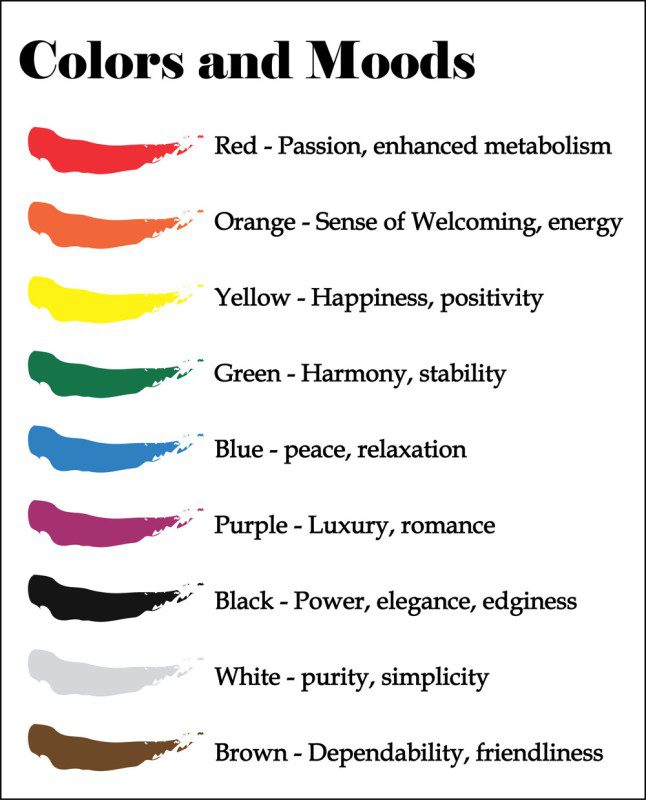
There will be days when routines feel impossible. Those are the days when a “minimum viable” rhythm matters most.
Instead of a long list, choose:
- One physical anchor (something your body does)
- One mental rest (something that gives your brain space)
- One sensory comfort (something that soothes one of your senses)
For example:
- Physical anchor: Drink one full glass of water after you wake up.
- Mental rest: Five slow breaths at your desk before opening your messages.
- Sensory comfort: At night, dim the lights and play one calming song before sleep.
Since the start of Lent, in my family, we observe silence for a few minutes, and it helps us stay grounded for our evenings.
That’s it.
On the days when your hormones are loud, your emotions are messy, or your energy is gone, you are not failing if all you did was drink that water, breathe those five breaths, and listen to that one song.
You are keeping your nervous system just regulated enough to think clearly and stay connected to what matters.
When we talk about hormones, there is a tendency to think we are talking about women. Men and women have hormones, and those hormones affect our lives.
Step 6: Let Your Senses Tell You the Truth
Sometimes your mind will say, “You’re fine, keep going,” but your body is telling a different story.
Pay attention to your sensory reactions:
- If normal sounds suddenly feel like too much, your nervous system may be overloaded.
- If your favourite foods taste flat, you may be moving towards burnout or emotional numbness.
- If every touch feels irritating, you might need more boundaries, more space, or more rest.
- If you keep seeking brighter screens and constant noise, you might be trying to outrun something you feel.
Instead of shaming yourself (“Why am I like this?”), You can ask, “What is my body trying to tell me through my senses today?” Then answer with one small act of care: reduce the noise, soften the light, choose a comforting texture, eat something warm.
I met a lady once who was a guest in the home of a friend and just couldn’t sit still. She started to tidy and ask for jobs to do. Ended up laying tables and spending a lot of time in the kitchen while everyone else had a good time.
She just had to be doing something; she couldn’t bear to sit with her thoughts. What a shame.
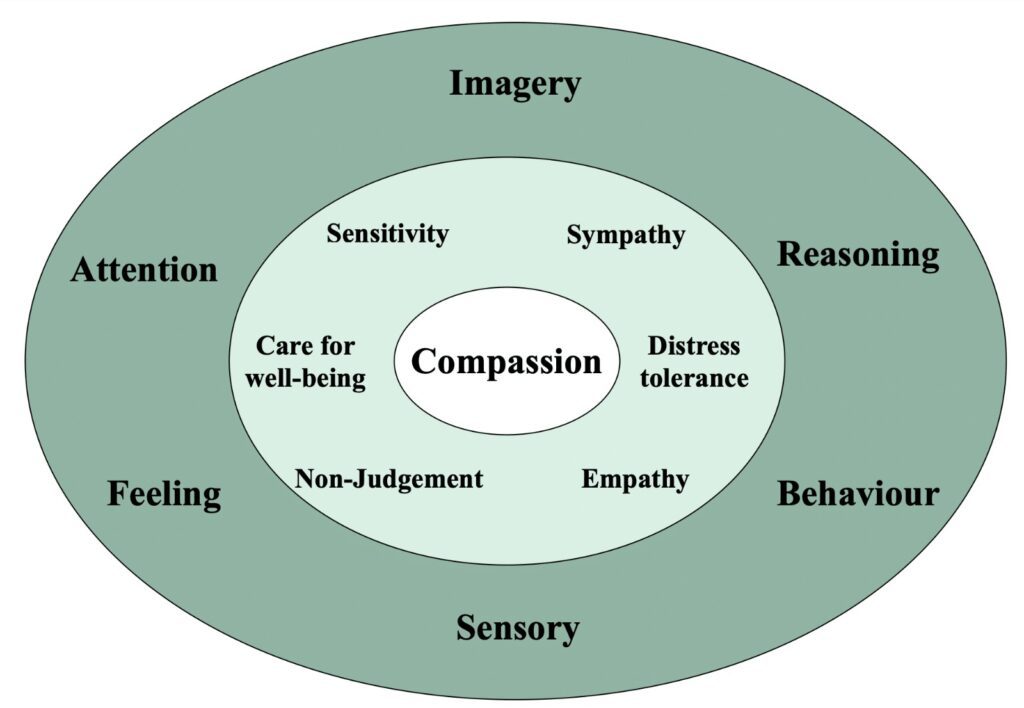
We all need to consider showing ourselves some compassion and get comfortable with caring for ourselves first.
Step 7: Release the Pressure
You are not a machine that produces the same output every day. You are a human with cycles, seasons, and limits.
Some days, self‑care will look like journaling, movement, prayer, and a nourishing meal.
You can Support My Work
Some days, self‑care will look like:
- Replying to fewer messages
- Eating the easier meal instead of the “ideal” one
- Taking a long shower and going to bed early
- Choosing silence over one more podcast episode
Both days count.
Showing up for yourself with one small act of care on a hard day is not a lesser version of self‑care; it is often the most courageous form of it.

A Gentle Invitation
You don’t need to master your hormones or become an expert on circadian rhythms overnight. You just need to become a little more curious about the waves inside you—when your energy rises, when it dips, when your senses feel tender or hungry.
This week, I invite you to:
- Notice your energy once in the morning and once at night
- Pick one sense to care for each day, based on that energy
- Let that one act be “good enough” for now
You don’t need a perfect self‑care plan.
You need a rhythm that bends with you, honours your seasons, and reminds you, even on the smallest level: “I am allowed to take care of myself here, exactly as I am.”
Until next time — stay warm, stay growing, stay loving, stay whole.
With love and light,
Amaka.